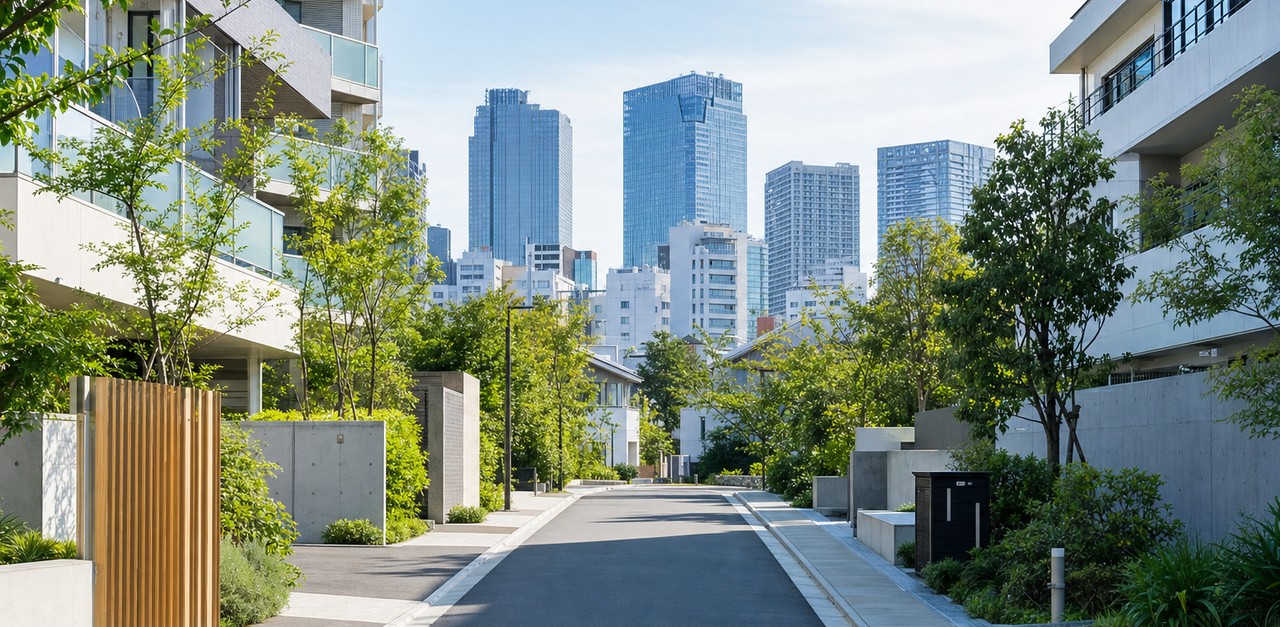
Finding an apartment in Tokyo where you can actually walk to work sounds like a dream — but for tech professionals based near Shibuya, it’s more achievable than you might think. The challenge isn’t just distance; it’s knowing which neighborhoods combine walkability with the kind of lifestyle that makes living in Tokyo genuinely enjoyable rather than just convenient.
This guide breaks down five Tokyo neighborhoods that sit within striking distance of the major tech campuses and startup hubs around Shibuya, Shinjuku, and Minato. Each one offers something different — from quiet tree-lined streets to buzzing café culture — so you can match your commute to your lifestyle, not just your job title.
Who this article is for
- ●Tech professionals working at companies like Google, ByteDance, or Shibuya-area startups who want to reduce commute time
- ●Expats arriving in Tokyo for the first time who need a practical, English-friendly guide to choosing a neighborhood
- ●Single professionals or couples without children who prioritize lifestyle quality alongside proximity to the office
What you’ll learn
- ●Discover five walkable neighborhoods near Tokyo’s tech hubs, with honest assessments of lifestyle, vibe, and rent range
- ●Understand what makes each area different so you can shortlist based on your own priorities
- ●Learn practical tips for navigating Tokyo’s rental market as a foreign national
Why Walkability Matters More Than You Think for Tech Workers in Tokyo
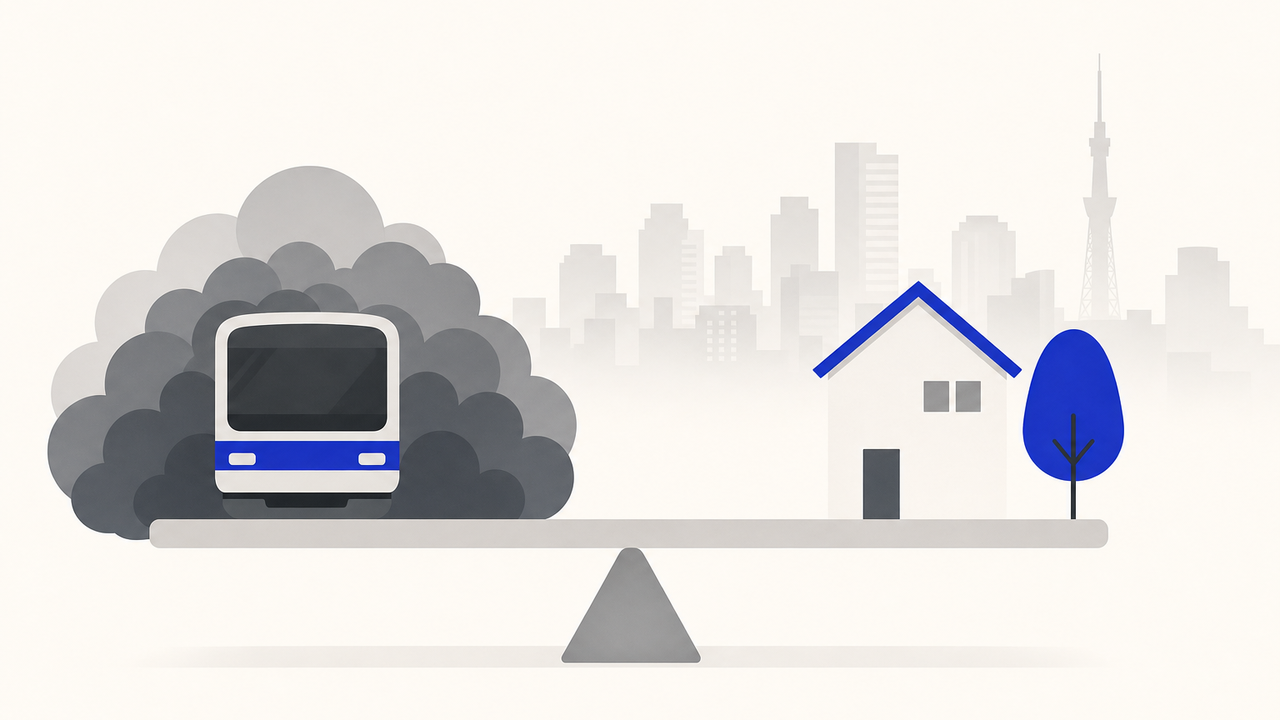
Tokyo’s train network is famously efficient — but that efficiency comes at a cost. Crowded morning rush hours on the Yamanote or Chiyoda lines can eat 30 to 60 minutes each way, adding real fatigue to an already demanding workday. For professionals in fast-paced tech environments, reclaiming that commute time translates directly into better sleep, more time for exercise, and an overall higher quality of life.
The real cost of Tokyo’s commute culture
Japan’s commuting culture has long normalized long daily travel times, but attitudes are shifting — particularly among international tech workers who arrive from cities where a 20-minute commute is considered standard. Spending over an hour each day on packed trains is increasingly seen not as a rite of passage, but as an avoidable drain on productivity and well-being.
For single professionals or couples without children, proximity to the office also opens up more spontaneous lifestyle choices: staying late for an after-work run, popping home for lunch, or meeting colleagues for a casual dinner without the pressure of a last-train deadline. These seemingly small freedoms accumulate into a meaningfully better daily experience.
What “walkable” means in a Tokyo context
In Tokyo real estate terminology, a property described as “a 10-minute walk from the station” typically refers to a brisk pace covering roughly 800 metres. For this guide, walkable to a tech office means the neighbourhood is either directly adjacent to a major tech hub area (Shibuya, Ebisu, Daikanyama, Omotesando) or close enough that a 15–25 minute walk or a single-stop train ride is genuinely feasible without transfers or significant crowds.
It’s also worth noting that “walkable” in Tokyo often means access to excellent cycling infrastructure — many of the neighbourhoods below have bike lanes or wide residential roads that make a 20-minute cycle feel easy and pleasant, effectively doubling your accessible radius.
How neighbourhood choice shapes your entire Tokyo experience
Beyond the commute, your neighbourhood determines your local grocery options, coffee culture, park access, and the general vibe of your off-hours life. Tech workers in particular tend to appreciate neighbourhoods with independent cafés and co-working-friendly spaces, good international supermarket access, and a community that skews toward similarly internationally-minded residents. All five neighbourhoods in this guide score well on these dimensions — but each has a distinct character worth understanding before you sign a lease.
Daikanyama: The Designer’s Village That Happens to Adjoin Shibuya
Daikanyama is arguably the most coveted address for Shibuya-area tech workers who want style without sacrificing walkability. The neighbourhood sits roughly 15 minutes on foot from Shibuya Station and is served by the Tōkyū Tōyoko Line, making it a single-stop commute if the weather isn’t cooperating.
The lifestyle case for Daikanyama
Daikanyama’s reputation as Tokyo’s most architecturally refined neighbourhood is well-earned. The area is anchored by Daikanyama T-Site — a sprawling complex of bookstores, magazine archives, independent boutiques, and cafés that has become a genuine destination for Tokyo’s creative and tech communities. Walking through Daikanyama on a weekend morning feels distinctly different from most of Tokyo: quieter, more curated, with a genuine sense of neighbourhood identity rather than commercial anonymity.
For international residents, the area offers a number of practical advantages. English-language real estate agents are reasonably active here, international supermarkets are accessible (Hiroo’s National Azabu is a short cycle or taxi ride away), and the general international resident population means local businesses are more accustomed to non-Japanese customers.
Rent expectations and apartment types
Daikanyama commands a premium. A well-maintained one-bedroom apartment in a modern building typically ranges from approximately ¥150,000 to ¥220,000 per month, depending on size and building age. For professionals earning above ¥10 million annually, this range is generally manageable — and the lifestyle return on that investment is considered high among long-term residents. Newer buildings with earthquake-resistant construction and modern amenities exist throughout the area, though supply is limited and competition for quality units can be significant.
POINT
Daikanyama has a lower vacancy rate than many other Tokyo inner-city neighbourhoods. If you identify a property you like, be prepared to move quickly — quality units are typically rented within days of listing.
Who Daikanyama suits best
Daikanyama rewards residents who value aesthetics, quiet, and proximity to independent culture. It’s less suited to those who want a buzzing bar scene on their doorstep (that’s more Nakameguro’s domain) and more suited to those who want to come home to calm streets and a good coffee. For professionals working at Shibuya-based tech companies, the 15-minute walk is pleasant in all seasons and genuinely workable as a daily routine.
- Shibuya office workers who value design, quiet streets, and a refined daily environment
- Expats with higher housing budgets who want Tokyo’s most liveable inner-city neighbourhood
- Professionals who socialise through cafés and cultural spaces rather than nightlife venues
Nakameguro: Canal-Side Living for the Socially Active Tech Professional
Nakameguro has transformed over the past decade from a quietly trendy neighbourhood into one of Tokyo’s most internationally recognised addresses. Its central feature — the Meguro River canal, lined with hundreds of cherry trees — has made it famous, but residents know it’s the year-round infrastructure and social scene that make it genuinely exceptional to live in.
Connectivity without sacrificing character
Nakameguro sits on the Tōkyū Tōyoko Line and the Tokyo Metro Hibiya Line, giving residents two route options into Shibuya (one stop, approximately four minutes), Omotesando (two stops on the Hibiya Line), and connections to Minato Ward offices. For professionals at tech companies with offices near Shibuya Scramble Square or the Cerulean Tower area, Nakameguro offers what may be the single best combination of commute speed and neighbourhood quality in the city.
The Meguro River path also functions as a walking or running route that connects Nakameguro southward through Meguro and Gotanda — meaning fitness-minded residents can combine their commute with exercise in a way that’s simply not possible in denser, less pedestrian-friendly areas.
The social and culinary infrastructure
Nakameguro has one of the highest concentrations of quality independent restaurants, wine bars, and specialty coffee shops in Tokyo. The canal-side stretch between the station and Ikejiri-Ohashi is lined with venues that attract a genuinely international crowd, and the neighbourhood’s social energy is active without becoming overwhelming. For tech professionals who socialise frequently with colleagues and clients, having this infrastructure within a five-minute walk of home is a meaningful quality-of-life asset.
Practical realities: rent, availability, and English support
Nakameguro’s desirability is reflected in its rent levels, which are comparable to Daikanyama — expect one-bedroom modern apartments in the ¥140,000 to ¥200,000 range. The neighbourhood also has a high proportion of international residents, which means building managers and local businesses have developed some familiarity with foreign tenants. English-language property searches for Nakameguro are well-supported by specialist agencies. That said, navigating Japan’s rental system — guarantors, key money, contract documentation — remains complex for newcomers without bilingual support.
Ebisu: The Polished Professional’s Neighbourhood
Ebisu occupies a particular sweet spot in Tokyo’s geography: it’s close enough to Shibuya to count as walkable (roughly 20–25 minutes on foot, or a single stop on the JR Yamanote Line), but distinct enough in character to feel like its own world. The neighbourhood has a reputation for being slightly older in demographic than Nakameguro, more established in its rhythms, and exceptionally well-serviced by retail and international amenities.
International infrastructure and expat community
Ebisu and the adjacent Hiroo area together form what is arguably the strongest international residential cluster in central Tokyo. The area is home to several foreign embassies, the Tokyo American Club, and National Azabu — one of the city’s most comprehensive international supermarkets, stocking imported goods from across Europe, North America, and Southeast Asia. For newly arrived expats who want to ease into Tokyo life without immediately confronting language barriers at the grocery store, Ebisu–Hiroo is the natural choice.
The international school ecosystem in nearby Hiroo (particularly the Deutsche Schule and various international preschool options) also means the neighbourhood attracts a settled, family-oriented international community — which in turn supports English-language services across restaurants, medical clinics, and real estate agencies.
Walkability to Shibuya’s tech campus cluster
The JR Yamanote Line connection from Ebisu to Shibuya is a single stop and takes approximately three minutes. More significantly for daily life, the walk from central Ebisu to the southern edge of Shibuya (where many tech company offices are concentrated, including around Dōgenzaka and the Cerulean Tower) is a manageable 20–25 minutes through relatively pleasant streets. Many residents cycle this route instead, cutting travel time to under 10 minutes. This is genuine walkability in practice, not just on paper.
Rental market overview for Ebisu
Ebisu commands among the highest rents in this guide. Modern one-bedroom apartments range from approximately ¥160,000 to ¥250,000 per month, with larger units and serviced apartments reaching significantly higher. The trade-off is in quality, consistency, and the depth of English-language support in the real estate process. For professionals on competitive tech-sector salaries, Ebisu offers a very high baseline of comfort and convenience that many find worth the premium.
Sangenjaya: The Neighbourhood Tech Workers Discover and Never Leave
Sangenjaya — affectionately known as “Sancha” — occupies a different position in Tokyo’s neighbourhoods landscape than the previous three entries. It’s not conventionally glamorous, and its appeal can take a little time to emerge. But among long-term Tokyo residents, particularly those who arrived for tech jobs and stayed for years, Sangenjaya has a devoted following that’s difficult to fully explain until you’ve lived there.
What makes Sangenjaya different
Sangenjaya has maintained a distinctly local character despite its central location and increasing popularity. The area around the station features covered shopping arcades (shotengai), independent izakayas and ramen shops, vintage clothing stores, and live music venues — all sitting alongside increasingly international cafés and natural wine bars that have arrived over the past five years. The result is a neighbourhood that feels genuinely diverse in its daily life rather than curated for any particular demographic.
For tech professionals who spend their working days in polished, design-conscious office environments, Sangenjaya offers a different kind of daily reset: a neighbourhood that hasn’t been gentrified into uniformity, where the local ramen shop and the specialty coffee roaster coexist a few doors apart.
Commute logistics to Shibuya
Sangenjaya is served by the Tōkyū Den-en-toshi Line, which connects to Shibuya in approximately four minutes (one stop). The station is a major junction, meaning the journey is fast and the service frequency is high. For professionals working at companies in or around Shibuya, this is an extremely efficient commute — and the lower cost of Sangenjaya compared to Nakameguro or Ebisu means residents are essentially paying for the same commute time at a meaningfully lower price point.
Rent and value in Sangenjaya
Sangenjaya’s relative value is one of its most compelling attributes. Modern one-bedroom apartments in good condition typically range from approximately ¥110,000 to ¥160,000 per month — a significant saving compared to Ebisu or Daikanyama for what is, in commute terms, a comparable location. The neighbourhood’s property stock is mixed, ranging from older pre-renovation buildings to newer earthquake-resistant constructions, so quality varies more than in the premium neighbourhoods. Working with a bilingual agent to identify the right buildings is particularly valuable here.
POINT
Sangenjaya tends to have better value-for-money in the rental market compared to neighbouring Shibuya-adjacent areas — but because the area is increasingly popular with younger international residents, availability at the best price points is tightening. Starting your search early is advisable.
Shimokitazawa: The Creative Hub with Surprisingly Strong Commute Options
Shimokitazawa is beloved among Tokyo’s creative and international communities for its density of live music venues, independent theatres, vintage shops, and casual dining — but its commute credentials for Shibuya-based tech workers are frequently underestimated. The neighbourhood sits one stop from Sangenjaya on the Den-en-toshi Line (two stops from Shibuya), and also connects directly to Shinjuku via the Odakyu Line in approximately seven minutes.
The cultural case for Shimokitazawa
If Ebisu represents polished international comfort and Daikanyama offers refined minimalist aesthetics, Shimokitazawa occupies the opposite end of the lifestyle spectrum — deliberately rough around the edges, unapologetically independent, and genuinely vibrant in a way that’s rare for a neighbourhood this accessible. The area attracts artists, musicians, writers, and an increasingly international cohort of tech professionals who want their home life to feel distinct from their office environment.
The shopping and dining scene in Shimokitazawa has an authentically local character that resists easy categorisation. Vintage fashion stores sit alongside natural wine bars, record shops share blocks with excellent ramen counters, and weekend afternoons in the central area around the Shimokita Stand café complex have a social energy that genuinely brings people outside. For residents who want a neighbourhood with a sense of community rather than just convenience, Shimokitazawa is uniquely rewarding.
Practical commute options for tech workers
Shimokitazawa to Shibuya via the Keio Inokashira Line (changing at Meidaimae) takes approximately 12–15 minutes. The Odakyu Line connects to Shinjuku in seven minutes, opening up commute options for professionals working at tech companies in Nishi-Shinjuku or along the Marunouchi corridor. The neighbourhood is also very cycle-friendly — dedicated cycling routes and low-traffic residential streets make a 25-minute cycle to Shibuya a genuine daily option for many residents.
Rental market and the Shimokitazawa reality check
Shimokitazawa’s rental prices are among the most accessible of any inner-city Tokyo neighbourhood with legitimate tech-commute credentials. Well-maintained one-bedroom apartments typically range from ¥95,000 to ¥145,000 per month, with some newer buildings reaching higher. The trade-off is in apartment modernity — the area’s older building stock means residents sometimes choose character over contemporary finishes. That said, new developments have been increasing following the redevelopment of the former Odakyu freight line corridor, bringing newer inventory into the market.
| Neighbourhood | Commute to Shibuya | Approx. 1BR Rent | Lifestyle Vibe | Best For |
|---|---|---|---|---|
| Daikanyama | 15 min walk / 1 stop | ¥150,000–¥220,000 | Refined, quiet, design-forward | Style-conscious professionals |
| Nakameguro | 1 stop / ~4 min | ¥140,000–¥200,000 | Vibrant, social, canal-side | Socially active professionals |
| Ebisu | 1 stop / ~3 min or 20 min walk | ¥160,000–¥250,000 | Polished, international, settled | Expats seeking English-language infrastructure |
| Sangenjaya | 1 stop / ~4 min | ¥110,000–¥160,000 | Local, eclectic, authentic Tokyo | Value-seekers who want central access |
| Shimokitazawa | 2 stops / ~8–12 min | ¥95,000–¥145,000 | Creative, independent, musical | Those who want character over polish |
Common Mistakes Foreign Nationals Make When Choosing a Tokyo Neighbourhood
Even well-informed expats regularly make the same set of avoidable mistakes when selecting a Tokyo neighbourhood. Understanding these pitfalls before you begin your search can save significant time, money, and the frustration of discovering mid-contract that your apartment doesn’t match your lifestyle.
Optimising purely for Google Maps commute time
Google Maps is an excellent planning tool, but it doesn’t capture rush-hour crowding, transfer complexity, or the subjective experience of a daily commute. A commute that looks like 18 minutes door-to-door on a map might involve two transfers, a crowded platform change, and a 7-minute walk at the other end — adding up to a significantly less pleasant daily experience than a 25-minute walk from a neighbourhood that happens to be further in straight-line distance. Always test your proposed commute in person during morning rush hour before committing.
- Relying solely on Google Maps travel times without accounting for rush-hour crowding and transfer experience
- Viewing apartments without a bilingual consultant present — key contract terms and hidden conditions are frequently missed
- Assuming that a higher rent means smoother English communication with building management — this is not reliably true
- Choosing a neighbourhood based on online research alone without visiting on both a weekday and a weekend
- Underestimating upfront costs: key money (reikin), deposit (shikikin), agency fees, and guarantor fees can total 4–6 months’ rent
Underestimating the complexity of Japanese rental contracts
Japan’s rental market has contract structures that differ significantly from those in most Western countries. Key money (礼金, reikin) — a non-refundable payment to the landlord — is still common in central Tokyo, though its prevalence is declining. Deposits (敷金, shikikin), agency fees, and monthly management fees can collectively add 4–6 months’ equivalent rent as upfront costs. Contract documents are typically in Japanese only, meaning that without bilingual support, foreign nationals may sign agreements without fully understanding the restoration obligations, renewal terms, or penalty clauses they’re committing to.
Neglecting to verify English-language emergency support
Building management responsiveness matters in ways that don’t become apparent until something goes wrong — a heating failure in January, a plumbing issue, or a noise dispute with a neighbour. Some buildings in central Tokyo offer English-language property management support; many don’t. Before signing, confirm explicitly whether building management has English-language communication capacity, and whether your real estate agency will remain a point of contact after the contract is signed.
How to Start Your Tokyo Apartment Search as a Foreign National
The practical process of finding and securing an apartment in Tokyo as a foreign national differs from the experience in most other major cities. The steps below reflect the general process as it tends to work in 2026 — though individual landlords and buildings vary, and working with an experienced bilingual agent can significantly smooth each stage.
- 1
Define your priorities before you search
Decide on your non-negotiables: maximum monthly rent, commute method (walk, cycle, or single train stop), minimum apartment size, and any essential amenities. Having these defined in advance prevents scope creep and keeps your search manageable.
- 2
Engage a bilingual real estate consultant
The most important step for foreign nationals. A bilingual consultant translates not just language but context — explaining what a contract clause actually means in practice, advising on which buildings are foreigner-friendly, and negotiating on your behalf with landlords who may have reservations about renting to non-Japanese tenants.
- 3
Conduct online research by area and train line
Platforms that allow filtering by area and train line are the most efficient way to develop a baseline sense of the market. Cross-reference listings with your commute requirements to build a realistic shortlist of neighbourhoods before scheduling viewings.
- 4
Visit neighbourhoods in person — at different times of day
A Saturday afternoon in Nakameguro feels very different from a Tuesday morning. Try to visit shortlisted neighbourhoods at least twice — once during a weekday (ideally during your prospective commute window) and once on a weekend to understand the local character.
- 5
Prepare your documentation in advance
Japanese landlords typically require proof of income, a guarantor (often arranged through a guarantor company for foreign nationals without a Japanese family member), a copy of your residence card, and your employment certificate. Having these ready shortens the gap between viewing and contract signing.
Finding Your Ideal Tokyo Neighbourhood with Expert Bilingual Support
Navigating Tokyo’s rental market as a foreign national — particularly in high-demand central neighbourhoods like those described above — is significantly easier with the right support. The challenges aren’t just linguistic; they involve understanding market norms, identifying which buildings are genuinely foreigner-friendly, interpreting contract terms accurately, and moving quickly enough in a competitive market to secure the properties you actually want.
Living in Jonan is built precisely for this situation. Powered by Balleggs global — a rental apartment introduction service for central Tokyo with 25 years of real estate consulting experience — the platform provides bilingual consultants who handle the full process of finding, evaluating, and securing an apartment in Tokyo’s most liveable neighbourhoods. Whether you’re targeting Daikanyama’s design-forward streetscapes, Nakameguro’s canal-side social energy, or Sangenjaya’s authentic local character, the team combines deep neighbourhood knowledge with the English-language support that makes the process genuinely navigable for foreign nationals.
Properties across the city’s inner areas — including all five neighbourhoods in this guide — can be searched online by area and train line, with a bilingual consultant available to answer questions, arrange viewings, and guide you through the contract process from initial search through to key handover. For professionals arriving in Tokyo for the first time, or those relocating within the city and wanting to upgrade their neighbourhood, Living in Jonan offers a service level that significantly reduces the friction of what can otherwise be a complex and stressful process.
Summary: Choosing the Right Walkable Tokyo Neighbourhood for Your Tech Career
Tokyo’s inner-city neighbourhoods offer a remarkable range of lifestyles within a very small geographic footprint. The five areas covered in this guide — Daikanyama, Nakameguro, Ebisu, Sangenjaya, and Shimokitazawa — all deliver genuinely practical commute options to Shibuya-area tech offices, while each offering a distinct daily experience that goes well beyond the commute itself.
- Daikanyama is best for professionals who value aesthetic refinement and quiet streets, and have a higher housing budget
- Nakameguro suits socially active residents who want excellent dining and nightlife within walking distance, plus a one-stop train to Shibuya
- Ebisu offers the strongest English-language infrastructure and international community of any neighbourhood in this guide — ideal for first-time Tokyo expats
- Sangenjaya provides the best value-for-money among genuinely central neighbourhoods with single-stop Shibuya access
- Shimokitazawa rewards residents who want creative energy, independence, and strong local character at the most accessible price point
The right neighbourhood is ultimately the one that matches not just your commute requirements but your daily rhythms, social preferences, and the quality of life you want to build outside the office. Tokyo rewards residents who invest time in choosing well — and for foreign nationals, having bilingual real estate expertise behind that choice makes all the difference.
- You’re a foreign national working in or relocating to Shibuya-area tech companies
- You need English-language support throughout the full apartment search and contract process
- You want to search central Tokyo properties by neighbourhood and train line before committing to viewings
About Balleggs global’s 25-year track record
Frequently Asked Questions
Which neighbourhood is the most walkable to Shibuya’s major tech office buildings?
Daikanyama is the closest walkable neighbourhood to central Shibuya, at approximately 15 minutes on foot. Nakameguro and Ebisu are also within a 20–25 minute walk. All three offer single-stop train connections for days when walking isn’t practical.
Is it difficult for foreign nationals to rent apartments in these central Tokyo neighbourhoods?
The process involves more steps than in many other countries — including guarantor arrangements, Japanese-language documentation, and occasionally landlords who prefer Japanese tenants. However, working with a bilingual real estate consultant significantly reduces these barriers, particularly in internationally-oriented neighbourhoods like Ebisu and Nakameguro.
What is the typical upfront cost when renting an apartment in central Tokyo?
Upfront costs in central Tokyo typically include a security deposit (1–2 months’ rent), key money (0–2 months’ rent, increasingly rare but still present in some buildings), an agency fee (1 month’s rent plus tax), and guarantor company fees. Total upfront costs often range from 3 to 6 months’ equivalent rent — a significant sum that’s worth factoring into your relocation budget.
Are these neighbourhoods safe for solo foreign residents who don’t speak Japanese?
All five neighbourhoods are among Tokyo’s safest residential areas. Japan consistently ranks among the world’s safest countries, and central Tokyo’s inner-city neighbourhoods have very low crime rates. Solo residents — including those who speak limited or no Japanese — generally report feeling very safe in daily life.
Can I search for apartments in these Tokyo neighbourhoods in English before arriving in Japan?
Yes. Several services, including Balleggs global via Living in Jonan, allow you to search central Tokyo properties online by area and train line in English. Bilingual consultants can conduct virtual viewings and handle significant portions of the pre-contract process remotely, making it feasible to shortlist and sometimes secure an apartment before your arrival date.
Area Lifestyle Guides — learn more.
Bilingual consultants guide you so foreign residents can find a home with confidence, backed by 25 years of real-estate consulting experience across central Tokyo.