
If you’re an expat professional working near Shibuya and you’re staring down a list of Tokyo neighborhoods without a clear sense of which direction to look, you’re not alone. Shibuya and Shinjuku are the two names that come up first — but choosing between them without understanding the real trade-offs can mean paying too much rent, underestimating your commute, or landing in a neighborhood that simply doesn’t match your lifestyle. This article is written specifically for foreign professionals in their 20s to 40s who are weighing both options with a practical eye.
Both districts sit at the heart of Tokyo’s rail network and offer genuine international amenity — but they serve quite different lifestyles and budget profiles. In the sections below, we break down rent ranges, commute realities, everyday convenience, English-language support, and long-term liveability so that by the time you finish reading, you’ll have a clear, evidence-based answer that fits your actual situation — not just a generic ranking.
Who this article is for
- Foreign professionals working in or around Shibuya Station who are deciding where to rent in 2026
- Expats relocating to Tokyo for tech, finance, or startup roles who want an honest side-by-side comparison of two major districts
- Couples or single renters with a mid-to-high budget who care equally about commute time, lifestyle quality, and English-friendliness
What you’ll learn
- How rent, space, and upfront costs actually differ between Shibuya and Shinjuku in 2026
- Why “7 minutes on the train” does not mean the same thing in both districts
- Which neighborhood suits which lifestyle, budget, and working style — and how to get expert bilingual support for your search
Setting the Right Criteria: What Expats Actually Need to Compare

Most online comparisons of Shibuya and Shinjuku focus on nightlife rankings or tourist landmarks. As a foreign professional making a multi-year housing decision, you need a different set of lenses entirely. Before looking at any specific apartment listing, it is worth agreeing on what axes genuinely matter for your quality of life.
Why Rent Alone Is a Misleading Comparison
Monthly rent is the first number renters compare — but in Tokyo it is rarely the most important one. Upfront costs for a standard Tokyo apartment typically run four to six months of rent at the time of signing, covering security deposit, key money, agency fees, and guarantor fees. This means a ¥200,000 per month apartment in Shinjuku and a ¥230,000 per month apartment in Shibuya may look very different on a monthly basis while carrying similar or even identical move-in cost totals once you factor in renewal fees and the length of your likely tenancy.
For expat professionals on a two-to-three year contract, the total cost of occupancy — not just the headline monthly figure — is the more meaningful metric. It is also worth noting that many of the most desirable apartments in both districts are available only through agencies with Japanese-language processes, which means the support you receive during the search can directly affect which properties you even get to see.
The Lifestyle Match Question
Shibuya and Shinjuku are both major hubs, but they attract and retain quite different resident profiles. Shibuya skews younger, more design-conscious, and more internationally oriented, with clusters of foreign professionals in neighborhoods like Daikanyama, Ebisu, and Tomigaya. Shinjuku, by contrast, is a denser, more commercially intense environment — exceptional for infrastructure and convenience, but less immediately residential in character close to the station.
The right question is not “which district is better” but “which district’s surrounding residential neighborhoods match how I actually want to live.” A single professional who wants walkable cafés and an international community will weigh factors very differently than a couple who prioritizes space per yen and direct train access to multiple office locations.
English Support as a Practical Filter
Japan’s rental process involves documentation, guarantor arrangements, and landlord approval workflows that are conducted almost entirely in Japanese. For expats without Japanese language ability, the availability of bilingual support is not a luxury — it is a functional requirement. Both Shibuya and Shinjuku have concentrations of agencies with English-speaking staff, but the quality and depth of that support varies considerably. We return to this point in the final section.
Rent, Space & Upfront Costs: Shibuya vs Shinjuku in 2026

Rent levels in both districts reflect their central Tokyo locations and strong transport connectivity. The differences are real but often smaller than expats expect — and understanding what drives them helps you make a smarter decision about where to focus your search.
Typical Monthly Rent Ranges in Shibuya Ward
A 1LDK or 2LDK apartment suitable for a single professional or couple in Shibuya Ward typically rents in the range of ¥160,000 to ¥300,000 per month depending on building age, exact location, floor level, and furnishing. Neighborhoods closest to the station itself — such as Dogenzaka or the immediate Shibuya address — sit at the upper end of that range and above. Slightly further pockets like Tomigaya, Daikanyama (which straddles the Meguro ward boundary), and Shoto offer a more residential character at mid-to-upper rent levels.
It is worth noting that Shibuya Ward as an administrative entity includes a wide range of micro-neighborhoods. An apartment listed as “Shibuya-ku” could be a five-minute walk from the scramble crossing or a fifteen-minute walk into a quiet residential backstreet. The ward-level label conceals more variation than it reveals — which is one reason working with a consultant who knows the sub-neighborhoods matters.
For expat professionals with a household income in the ¥10 million per year and above range, the Shibuya Ward market is generally accessible, though top-tier renovated apartments in brand-name residential streets do carry a premium that reflects their scarcity.
Typical Monthly Rent Ranges in Shinjuku Ward
Shinjuku Ward offers a wider rent spread than Shibuya, with the residential neighborhoods away from the commercial core providing noticeably more space per yen. A 1LDK in areas like Yotsuya, Okubo, Wakamatsu-kawada, or Shinjuku Gyoen tends to range from approximately ¥130,000 to ¥240,000 per month, with larger 2LDK units available at competitive prices by central Tokyo standards.
The trade-off is that Shinjuku as a district is vast and its residential character varies dramatically by sub-area. The immediate vicinity of Shinjuku Station is heavily commercial and entertainment-oriented — genuinely residential apartments with a quiet street feel require walking five to fifteen minutes from the station in most directions. This is not necessarily a problem for expats who prioritize cost and connectivity over neighborhood atmosphere, but it is an important distinction for those expecting the kind of walkable residential village feel found in Daikanyama or Nakameguro.
Upfront Costs and the Hidden Expenses Expats Miss
Both districts share Tokyo’s standard move-in cost structure. Expect to budget approximately four to six months of rent for initial move-in costs, broken down roughly as follows: one to two months security deposit (shikikin), zero to two months key money (reikin — increasingly rare in newer buildings but still present in traditional properties), one month agency fee, plus fire insurance and guarantor company fees. On a ¥200,000 per month apartment, this represents a lump sum of ¥800,000 to ¥1,200,000 before you receive a single key.
Renewal fees — typically one month’s rent every two years — add to the total cost of occupancy. For expats on fixed-term contracts, it is worth checking whether a property uses a fixed-term lease (teishaku chintai) or a standard renewable lease, as this affects your flexibility to exit without penalty.
- Guarantor company fee (hoshō gaisha) — typically 0.5 to 1 month’s rent upfront, plus an annual renewal fee of approximately ¥10,000–¥20,000
- Key money (reikin) — still charged on some older or landlord-owned properties; non-refundable
- Renewal fee (kōshinryō) — one month’s rent every two years in many standard contracts
- Furniture and appliance costs — many central Tokyo apartments are unfurnished; budget separately
- Internet setup — building contract vs. individual contract affects both cost and wait time
Commute Reality: Why Train Minutes Are Not Equal
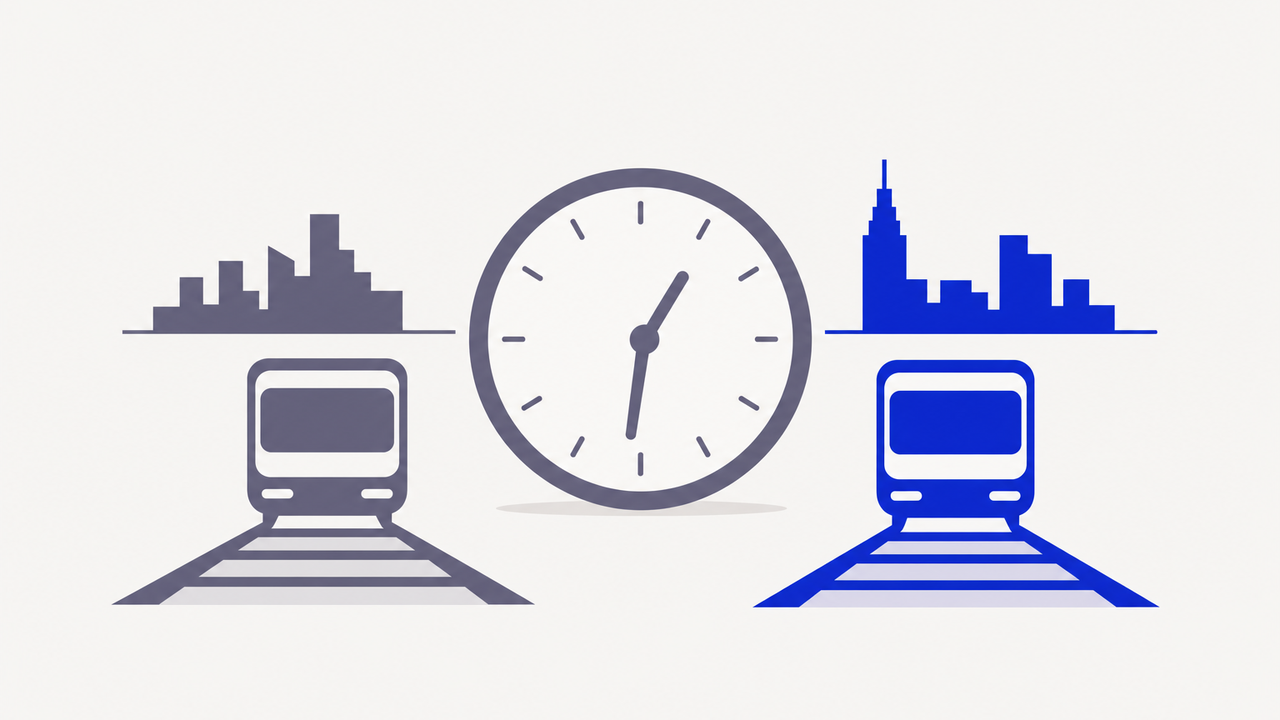
Both Shibuya and Shinjuku are among the busiest train stations in the world by daily passenger volume. If your office is near Shibuya, the commute equation looks different depending on which side of the city you are starting from — and the published train time is rarely the whole story.
Commuting to Shibuya from a Shibuya Ward Address
Living within Shibuya Ward and working near Shibuya Station is the most straightforward commute scenario — but “within Shibuya Ward” can still mean a 10-to-25-minute walk or a short bus ride depending on where exactly you live. The ward is not uniformly walkable to the station, and many of the most desirable residential sub-neighborhoods like Tomigaya and Shoto require either a bicycle, bus, or a brisk 20-minute walk to reach Shibuya Station itself.
For expats who value walkability and short door-to-door times above all else, apartments within genuine walking distance of Shibuya Station command a significant premium. Those willing to take a single short train ride — for example, from Daikanyama or Ebisu on the Toyoko Line, or from Sangenjaya on the Den-en-toshi Line — gain access to considerably quieter, more residential neighborhoods at meaningfully lower rent. See our guide to the Toyoko Line vs Den-en-toshi Line for a detailed breakdown of those corridors.
Commuting to Shibuya from a Shinjuku Ward Address
The train time from Shinjuku Station to Shibuya Station is approximately 7 minutes on the Yamanote Line — but the door-to-door reality for most expats is 25 to 40 minutes when you factor in the walk to your Shinjuku area apartment, navigating Shinjuku Station (one of the world’s most complex rail hubs), waiting time, and the walk from Shibuya Station to your office building. During rush hour, Shinjuku Station itself adds meaningful friction: platform congestion, transfer distances, and the sheer scale of the interchange make it feel very different from a quiet 7-minute ride.
This is not a reason to rule out Shinjuku-area living — many expats manage the commute comfortably and value the rent savings and connectivity to other parts of Tokyo. But it is a reason to test the route in person before signing a lease, and to distinguish between “train minutes” and “commute minutes.” If your employer is in a specific part of Shibuya — for example, near Daikanyama, Omotesando, or Ebisu rather than at Shibuya Station itself — the effective commute from a Shinjuku address may be closer to 45 minutes door-to-door.
Multi-Destination Commuters: Which Base Wins?
For expats who travel frequently within Tokyo — to Shinagawa, Shinjuku, Marunouchi, or Roppongi — a Shibuya Ward or adjacent Jonan-area base often provides superior overall connectivity compared to a Shinjuku-area base for Shibuya workers. The Jonan area (covering Meguro, Setagaya, Shibuya, Minato, Shinagawa, and Ota wards) is served by a dense network of private railways and the JR Yamanote Line, meaning that residents can reach most major business hubs within 15 to 30 minutes without changing trains at Shinjuku.
Expats whose work takes them to Shibuya as a primary destination but also regularly to Shinagawa or Roppongi will generally find that a south or southwest base — in neighborhoods like Nakameguro, Gotanda, or Ebisu — provides better all-round connectivity than a Shinjuku-area apartment. For a deeper look at walkable options near tech offices, see our article on 5 walkable Tokyo neighborhoods for tech workers near Shibuya.
Lifestyle, Daily Convenience & International Amenity
Beyond rent and commute, the neighborhood you choose will define the texture of your daily life in Tokyo — from where you grocery shop on a Tuesday evening to whether you feel genuinely at home walking your street on a Sunday. Shibuya and Shinjuku differ significantly on this dimension.
Everyday Convenience: Supermarkets, Dining, and Infrastructure
Shinjuku scores extremely high on raw urban convenience. The ward contains one of Japan’s largest concentration of department stores, supermarkets, pharmacies, government offices, and transit connections within walking distance of its central station. Isetan, Takashimaya Times Square, Odakyu, and Keio department stores are all within a short walk of Shinjuku Station’s exits, and the ward office is well-equipped for handling the administrative needs of foreign residents. For expats who want maximum urban amenity within the smallest possible footprint, Shinjuku is genuinely difficult to beat on convenience metrics alone.
Shibuya Ward offers comparable shopping and dining variety, but the residential neighborhoods that expat professionals most frequently choose — Tomigaya, Daikanyama, Ebisu, and the Nakameguro corridor — have a more curated, neighborhood-scale character. Smaller independent supermarkets, import food stores, specialty coffee, and international restaurants are abundant, but you are less likely to find a massive all-in-one department store within five minutes’ walk. Many expats find this a feature, not a limitation: the scale feels more human and the street culture more inviting.
Green Space, Walkability & Quality of Life
Shibuya Ward’s residential neighborhoods, particularly around Yoyogi Park and the Tomigaya area, offer some of the best access to green space of any central Tokyo address. Yoyogi Park itself is one of Tokyo’s largest and most heavily used parks — popular with dog-walkers, picnickers, sports groups, and foreign residents on weekends. The streets around Daikanyama and the Meguro River (which straddles the Meguro-Shibuya border) are consistently cited by expats as among the most pleasant for everyday walking in central Tokyo.
Shinjuku Ward’s equivalent asset is Shinjuku Gyoen, a large and beautifully maintained national garden near the ward’s eastern side. It is excellent for weekend recreation but less immediately woven into the daily residential fabric than Yoyogi Park’s surrounding neighborhoods. The walkability of Shinjuku’s residential sub-areas varies considerably — some, like the Yotsuya and Shinjuku Gyoen neighborhoods, are genuinely pleasant on foot, while others closer to the commercial core are noisier and less residential in character.
International Community and English-Language Services
Shibuya Ward and its adjacent Jonan-area neighborhoods have the highest concentration of foreign professionals per capita of any residential zone in Tokyo, based on general demographic patterns and the density of international company offices in the area. Neighborhoods like Daikanyama, Ebisu, and Hiroo (in Minato Ward, just south) have well-established international communities, bilingual childcare options, international supermarkets such as National Azabu and Hiroo Peacock, and a high density of English-speaking local service providers.
Shinjuku Ward has its own significant international community, particularly around Okubo (which has a large Korean and Southeast Asian residential and commercial presence) and the areas around Shinjuku Gyoen favored by some long-term expat residents. English-language services exist but are more concentrated in specific pockets rather than diffused across the ward’s residential areas. For expats with Japanese language ability or a support network, Shinjuku Ward works very well; for those arriving with no Japanese and needing English-language support from day one, the Shibuya-adjacent neighborhoods in the Jonan area tend to offer a smoother landing.
| Shibuya Ward / Jonan Area — Pros | Shibuya Ward / Jonan Area — Cons |
|---|---|
|
|
| Shinjuku Ward — Pros | Shinjuku Ward — Cons |
|---|---|
|
|
Shibuya vs Shinjuku: Which Should You Choose?
If you’ve read this far, you have enough data to make a decision — but the right answer genuinely depends on your specific situation. Below we set out the clearest case for each option, followed by our recommendation for the most common expat professional profile.
Side-by-Side Comparison Table
| Comparison Axis | Shibuya Ward / Jonan Area | Shinjuku Ward |
|---|---|---|
| 1LDK Rent Range (approx.) | ¥160,000–¥280,000/month | ¥130,000–¥240,000/month |
| Door-to-Door Commute to Shibuya | 12–25 min (typically 1–2 stops or walkable) | 25–40 min (Yamanote + station navigation) |
| Residential Street Character | Quiet, walkable, café-lined in key sub-areas | Varies widely — commercial near station, quieter further out |
| Green Space Access | Excellent (Yoyogi Park, Meguro River) | Good (Shinjuku Gyoen, though more destination-based) |
| International Community Density | High — especially Daikanyama, Ebisu, Nakameguro | Moderate — concentrated in specific pockets |
| Urban Convenience (shops, admin) | Very good, neighborhood-scale variety | Exceptional — largest department store cluster in Tokyo |
| English-Language Rental Support | Strong — specialist bilingual agencies active in this zone | Available, but more varied in quality |
| Best Suited For | Expats prioritizing commute efficiency, lifestyle quality, and English-language community | Expats prioritizing raw urban convenience, budget flexibility, or multi-hub connectivity |
If Shibuya Is Right for You
Choose a Shibuya Ward or adjacent Jonan-area base if your primary workplace is in or near Shibuya and you value lifestyle quality alongside commute efficiency. Expats who work at Google Japan, ByteDance, or in the startup cluster around Shibuya Stream, Daikanyama, or Omotesando will generally find that a Nakameguro, Daikanyama, Ebisu, or Tomigaya address gives them a significantly better quality of life than the headline rent difference justifies. You will be in a high-density international neighborhood with direct rail access, good green space, and a critical mass of English-speaking services.
This profile is particularly well-suited to single professionals and couples in their 30s who want a residential base that functions as an enjoyable place to live — not just a place to sleep near the office. The Jonan area more broadly extends this quality into slightly lower-rent zones like Gotanda and Meguro if your budget requires more flexibility. Our Gotanda area guide for foreign residents and the Nakameguro living guide cover both options in detail.
- Foreign professionals working in or near Shibuya whose primary concern is door-to-door commute time
- Expats who want to live in an established international community with English-language services from day one
- Couples and single renters who value walkable green space, café culture, and residential street character
- Those relocating to tech or creative industries based in the Shibuya–Daikanyama–Omotesando corridor
If Shinjuku Is Right for You
Choose a Shinjuku Ward address if your budget requires more space per yen, if you travel frequently to multiple Tokyo hubs, or if maximum urban convenience takes priority over residential atmosphere. Expats who are comfortable navigating Shinjuku Station, who have some Japanese language ability, or who need to commute to destinations spread across the city will genuinely benefit from Shinjuku Ward’s extraordinary transport connectivity. The Yotsuya and Shinjuku Gyoen sub-areas in particular offer quieter residential options than their proximity to the station might suggest.
Shinjuku also works well for expats on shorter assignments (under one year) who prioritize flexibility and access to a full range of urban services over long-term residential comfort. If your office is actually in Shinjuku rather than Shibuya, this comparison tips even more decisively in Shinjuku’s favor — the question of where to live relative to where you work changes the calculus entirely.
- Expats who need more space for their budget and are willing to accept a longer commute to Shibuya
- Multi-hub commuters who regularly travel to Shibuya, Marunouchi, and Shinjuku and want a central base
- Professionals with Japanese language ability who can navigate the rental process independently
- Those on short-term assignments who prioritize raw convenience and transport flexibility
Getting Expert Support for Your Actual Search
Knowing which district to target is the first step. The next — navigating Tokyo’s rental process as a foreign national — is where many expat professionals lose significant time and occasionally miss properties entirely due to language and process barriers.
Services like Balleggs global, a central Tokyo rental apartment service backed by 25 years of real estate consulting experience, work with bilingual consultants who can guide you through the entire process in English — from initial property search to lease signing, guarantor arrangement, and move-in coordination. Their platform allows you to search properties in central Tokyo by area and train line, which is particularly useful when you are comparing specific sub-neighborhoods rather than broad district labels.
For expats working near Shibuya who have identified the Jonan area as their target zone, having a consultant who genuinely understands the micro-neighborhoods — and can represent you effectively in a Japanese-language transaction — is one of the highest-value resources available. You can read more about what to look for in that process in our guide to renting an apartment in Tokyo as a foreigner.
Final Verdict: Which District Wins for Shibuya-Based Expats?
For most foreign professionals working near Shibuya in 2026, the Shibuya Ward and adjacent Jonan-area neighborhoods deliver a better overall package — combining manageable commute times, established international community density, access to green space, and strong English-language rental support. The rent premium is real but typically justified by the cumulative quality-of-life difference over a two-to-three year contract period.
Shinjuku Ward remains a genuinely competitive option for budget-conscious renters, multi-hub commuters, or expats with Japanese language ability who want maximum urban convenience. It is not the wrong choice — it is simply a different set of trade-offs, and the right one depends on how you weight the factors covered in this article.
The most common mistake is making this decision based on rent figures alone without testing the commute, walking the neighborhoods, and understanding what the move-in cost structure will actually look like. Give yourself time to do that research — and if you want a bilingual consultant to walk you through the specific market conditions in your target sub-neighborhood, that support is available and genuinely useful for expat renters navigating this process for the first time.
- Foreign professionals who need English-language guidance through Tokyo’s entire rental process
- Expats searching for central Tokyo apartments in Shibuya Ward, Meguro, or the broader Jonan area
- Those who want to search by area and train line with safe, reliable information from a 25-year-established firm
About the consultation process
Frequently Asked Questions
Is it actually cheaper to rent in Shinjuku than Shibuya for a 1LDK?
Generally, yes — Shinjuku Ward tends to offer more floor space per yen than the most sought-after sub-neighborhoods in Shibuya Ward. However, the gap narrows considerably if you are comparing a quieter Shinjuku residential area (such as Yotsuya or Shinjuku Gyoen) with a Shibuya-adjacent neighborhood like Nakameguro or Sangenjaya rather than the premium Daikanyama or Tomigaya addresses. Always compare specific sub-areas rather than ward-level averages, and factor in the full move-in cost rather than monthly rent alone.
How long does it really take to commute from Shinjuku to Shibuya during rush hour?
The Yamanote Line journey itself is approximately 7 minutes. However, the door-to-door commute — including the walk from your apartment to Shinjuku Station, navigating one of the world’s largest and most congested rail hubs, waiting for a train, the ride, and then walking from Shibuya Station to your office — typically runs between 25 and 40 minutes in practice. During morning rush hour, platform congestion at Shinjuku can add further unpredictability. It is strongly recommended to walk the full commute route at rush hour before signing a lease.
Can foreigners rent an apartment in Shibuya or Shinjuku without a Japanese guarantor?
Yes — the vast majority of rental properties in both districts now accept guarantor companies (hoshō gaisha) as an alternative to a personal Japanese guarantor. This is particularly relevant for foreign nationals who do not have a Japanese family member or employer willing to act as guarantor. Guarantor company fees typically run 0.5 to 1 month of rent upfront, plus an annual renewal fee. A bilingual real estate consultant can identify properties with foreign-national-friendly landlords and manage the guarantor arrangement on your behalf.
Which district has a stronger expat community for someone moving to Tokyo without knowing anyone?
The neighborhoods surrounding Shibuya Ward — particularly Daikanyama, Ebisu, Nakameguro, and the adjacent Minato Ward area around Hiroo — have a denser and more established expat professional community than most Shinjuku Ward residential areas. International residents are a visible part of everyday life in these neighborhoods, and English-language services, international supermarkets, and bilingual social networks are readily accessible. Shinjuku Ward has international communities too, particularly around Okubo and the Shinjuku Gyoen area, but they are more diffused and less immediately accessible for newly arrived expats.
Is the Jonan area a better option than either Shibuya or Shinjuku for expats working near Shibuya?
For many expats, yes. The Jonan area — covering Meguro, Setagaya, Shibuya, Minato, Shinagawa, and Ota wards — offers residential neighborhoods that combine direct rail access to Shibuya with quieter streets, lower rents than central Shibuya addresses, and strong international amenity. Neighborhoods like Nakameguro, Gotanda, Sangenjaya, and Shimokitazawa are frequently chosen by expat professionals working near Shibuya precisely because they deliver a better lifestyle-to-cost ratio than either central Shibuya or Shinjuku. See our central Tokyo neighborhood comparison for a broader overview.