Remote workers and digital nomads in Tokyo know the struggle: you need a reliable, English-friendly space to get serious work done, but most cafes are either too noisy, have unreliable Wi-Fi, or staff who can’t communicate in English when you need help. If you’re working at a tech company near Shibuya — or remotely for a global firm — and you’re looking for a place to set up your laptop without the language barrier headaches, Tokyo’s Jonan area has more to offer than most people realize.
The Jonan district — spanning neighborhoods like Meguro, Nakameguro, Daikanyama, Jiyugaoka, and Shimokitazawa — sits right on the doorstep of Shibuya and has quietly evolved into one of Tokyo’s most livable and internationally friendly zones. This guide covers the best English-friendly coworking cafes and remote work spots in the Jonan area, what to look for when choosing a workspace, and why more foreign professionals are choosing to base themselves here in 2026.
Who this article is for
- ●Foreign nationals working remotely or hybrid near Shibuya who want a productive, English-friendly workspace outside the office
- ●Expats newly arrived in Tokyo exploring the Jonan area and looking for reliable spots with good Wi-Fi, power outlets, and a welcoming atmosphere
- ●Digital nomads and tech professionals considering the Jonan area as a base and wanting to know what the local work-from-cafe scene looks like
What you’ll learn
- ●Which types of remote work spots in Jonan are most suitable for English-speaking professionals
- ●The key features to evaluate — Wi-Fi reliability, English-friendliness, noise levels, and pricing
- ●How living in the Jonan area gives you a strategic advantage when building your remote work routine in Tokyo
Why the Jonan Area Works So Well for Remote Professionals
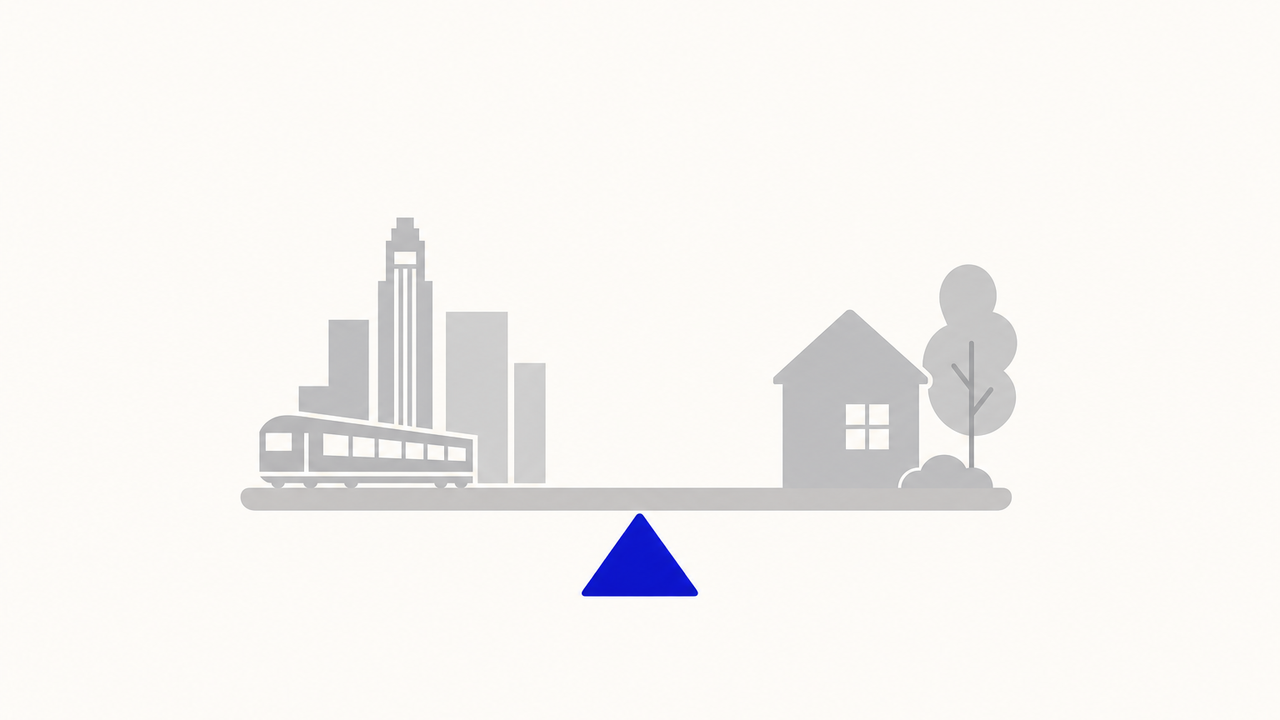
The Jonan area has become a go-to zone for foreign professionals working in and around Shibuya. It offers a balance of urban connectivity and residential calm that is genuinely hard to find this close to central Tokyo — and the café and coworking culture here reflects that.
Proximity to Shibuya’s Tech Hub
The Jonan area sits immediately south and southwest of Shibuya, making it one of the most strategically located residential zones for professionals working at companies like Google Japan, ByteDance, Mercari, or one of the dozens of startups clustered around Shibuya and Daikanyama. Neighborhoods like Nakameguro and Daikanyama are a single train stop or a short walk from Shibuya Station, meaning your commute on office days is minimal — and your access to good cafes on remote days is excellent.
This proximity matters because it means you’re not sacrificing convenience for quieter surroundings. You can work from a calm, tree-lined street café in Nakameguro in the morning and be at your Shibuya office for an afternoon meeting without any logistical stress. The Jonan area gives you that flexibility in a way that more peripheral neighborhoods simply can’t match.
- Tech workers at Shibuya-based companies who work hybrid 2–3 days per week
- Fully remote professionals who want occasional café meetings with Tokyo-based colleagues
- Expats who want a walkable, livable neighborhood that stays connected to central Tokyo
A Growing International Community
The Jonan area — particularly Daikanyama, Nakameguro, and Jiyugaoka — has long attracted international residents, and that concentration has accelerated over the past several years. As the expat and globally mobile professional community has grown, so has the infrastructure designed to serve them: English menus, English-speaking staff, and a general comfort with non-Japanese speakers navigating the neighborhood.
This matters directly for your remote work experience. When you walk into a café in Daikanyama and ask about the Wi-Fi password, order a complicated coffee drink, or need to ask whether there’s a power outlet near a particular seat, you’re far more likely to get a smooth, low-stress interaction than you would in many other parts of Tokyo. The internationally minded character of these neighborhoods filters directly into the day-to-day experience of working from local spots.
Independent Café Culture and Workspace Density
Unlike the more corporate areas of Shinjuku or Marunouchi, the Jonan area runs on a strong independent café culture. Many of the best remote work spots here are individually operated, meaning they tend to invest more in atmosphere, seating quality, and customer experience. The density of these spots is also high — it’s genuinely possible in neighborhoods like Daikanyama or Shimokitazawa to rotate through several solid work cafes within walking distance, giving you variety without sacrificing quality.
From a practical standpoint, this café density means you’re never stuck with only one option if a particular spot is crowded or has a long wait. And for remote workers who find that a change of environment improves focus and creativity, having five or six quality options within a 15-minute walk is a genuine productivity advantage.
What Makes a Café or Coworking Space English-Friendly?

Not every café in Tokyo that allows laptops qualifies as truly “English-friendly.” The distinction matters more than it might initially seem, especially when you’re trying to stay in a productive flow state and don’t want to deal with communication friction or ambiguity about the rules.
English-Speaking Staff and Signage
The most basic requirement is the ability to handle fundamental interactions in English — ordering, asking about Wi-Fi, understanding the rules around laptop use and time limits, and navigating payment. In the Jonan area’s internationally oriented neighborhoods, many cafes have at least one English-speaking staff member on shift during peak hours, and a meaningful number have English menus and rule notices posted.
Beyond just the language, English-friendly often means a staff culture that is comfortable with foreign customers and doesn’t default to formal Japanese communication styles that can feel exclusionary. Many of the best spots in the Jonan area have cultivated this kind of genuinely international service culture, which makes a real difference over a long workday.
POINT
Look for cafes in Daikanyama and Nakameguro that display their Wi-Fi password on a chalkboard or table card — this is often a reliable indicator that they’re used to accommodating remote workers and international customers without fuss.
Reliable Wi-Fi and Power Access
Reliable Wi-Fi is non-negotiable for remote workers, and the quality varies significantly even within the same neighborhood. As a general indicator, cafes that explicitly market themselves to remote workers or that have a visible laptop-work culture tend to invest more in their network infrastructure. In practice, fiber-backed connections are increasingly common in the Jonan area’s better cafes, offering the kind of stable bandwidth needed for video calls, large file transfers, and cloud-based workflows.
Power outlet access is the companion requirement. The Jonan area has seen a trend toward cafes adding more outlet access in response to the rise of remote work — some spots now have outlets at nearly every seat, while others cluster them near particular areas. It’s worth checking outlet availability before settling in for a long session, particularly if your laptop battery doesn’t last a full workday.
Atmosphere, Noise Levels, and Time Policies
The atmosphere of a remote work spot shapes your entire day. In the Jonan area, the best cafes for serious work tend to strike a balance: ambient enough to mask distraction, but quiet enough for concentration and the occasional phone call. Many spots have distinct zones — a livelier counter or social area near the entrance, and quieter seating toward the back or upstairs.
Time policies are an important practical consideration that varies significantly across Tokyo cafes. Some high-demand spots in popular areas enforce a 90-minute or 2-hour limit during peak hours, while others — particularly dedicated coworking cafes or spots with a clear remote-work identity — allow open-ended sessions. Understanding the policy before you set up your workspace avoids the uncomfortable situation of having to move mid-task. In most English-friendly Jonan spots, this policy will be communicated clearly, either verbally or via English signage.
Types of Remote Work Spaces in the Jonan Area

The Jonan area offers a spectrum of options beyond the typical café, from pure coworking operations to café-coworking hybrids and membership-based drop-in spaces. Understanding the distinctions helps you match the right environment to the kind of work you’re doing on any given day.
Dedicated Coworking Spaces
Dedicated coworking spaces are the most structured option and offer the most professional environment for intensive, full-day work. In the Jonan area, these tend to be found in the more commercially active neighborhoods — Nakameguro, Daikanyama, and increasingly in Jiyugaoka — and they typically provide fixed or flexible desks, private phone booths, meeting rooms, and reliable high-speed internet as part of a membership or day-pass fee.
The advantage of dedicated coworking in the Jonan area over central Tokyo equivalents is cost: you can generally expect day passes in the range of ¥1,500–¥3,000 for the kinds of well-equipped spaces found here, compared to higher rates in Roppongi or Shinjuku. Monthly membership pricing varies by operator and tier, so it’s recommended to check each facility’s official pricing page directly.
Many of these spaces have been set up specifically with international users in mind and offer English-language onboarding, websites, and support. This makes the initial sign-up and orientation process significantly smoother for non-Japanese speakers.
Café-Coworking Hybrids
Café-coworking hybrids are perhaps the defining format of the Jonan area’s remote work scene. These spaces operate as fully functional cafes with quality food and beverage offerings, but they’re designed from the ground up with remote workers in mind — generous outlet access, deliberate acoustic management, strong Wi-Fi, and a culture that actively welcomes laptop work without time pressure.
This format suits tech professionals particularly well because it maintains the social energy and creative atmosphere of a café while offering the infrastructure of a proper workspace. You can take a video call in a booth, spread out your notes across a wide table, or shift to a quieter corner when you need deep focus — all without the formal, corporate feeling of a pure coworking environment.
Specialty Independent Cafés with Laptop Policies
The Jonan area is home to a significant number of high-quality independent cafés that, while not formally marketed as remote work spots, have developed clear and welcoming laptop policies. These tend to be the best options for morning work sessions, creative thinking, or situations where atmosphere and coffee quality matter more than structured workspace features.
The key with this category is doing a little research before you visit. Policies around time limits, reservations for power-outlet seats, and peak-hour restrictions vary. The most internationally oriented neighborhoods — Daikanyama and Nakameguro in particular — tend to have the highest concentration of these kinds of independently operated spots with implicit or explicit remote-work friendliness.
Key Features to Evaluate Before You Commit to a Spot
Making a good choice about where to work matters more than it might seem. A poor environment can cost you hours of productive time, and in a city like Tokyo where the options vary so widely, a little due diligence pays off. Here’s a framework for evaluating any remote work spot in the Jonan area.
Wi-Fi Speed and Stability Testing
Wi-Fi speed and stability are the foundation of any remote work setup. The single most reliable way to test this before committing to a long session is to connect, open a speed-test tool on your browser or app, and run a quick test. For most tech work — including video calls, cloud collaboration, and large file uploads — you want to see at least 30 Mbps download and 10 Mbps upload as a working baseline. For video-heavy work or large media transfers, aim higher.
Stability is just as important as peak speed. A connection that shows 50 Mbps in the speed test but drops every 20 minutes is worse for productivity than a steady 25 Mbps connection. If a space is busy, ask staff whether there are any network issues or peak-time slowdowns — English-friendly spots will be able to answer this straightforwardly. In the Jonan area’s better-equipped spaces, the infrastructure has generally been built to handle simultaneous multi-user workloads.
Noise Level Assessment by Time of Day
Noise levels in Jonan cafes vary significantly by time of day, and knowing the patterns helps you plan your most focus-intensive work blocks appropriately. Generally speaking, the quietest windows are weekday mornings from opening until around 11am, before the lunch crowd arrives. Early afternoon (1:30–3pm) can be a second productive window after the lunch peak subsides. Weekend mornings in popular neighborhoods like Daikanyama tend to attract more social visitors and can be noisier than equivalent weekday mornings.
If you need to take video calls during your session, look for spots with dedicated phone booths or semi-private areas, or plan to use earphones and find a corner seat away from the main service area. Some of the better hybrid coworking cafes in the area have invested in acoustic partitioning that makes a genuine difference to call quality and ambient noise management.
| Feature | What to Look For | Why It Matters |
|---|---|---|
| Wi-Fi Speed | 30+ Mbps download, stable connection | Supports video calls and cloud workflows without interruption |
| Power Outlets | Outlet at or near your seat | Essential for sessions longer than 2–3 hours |
| English Communication | Staff comfort with English, English menu/signage | Reduces friction and stress throughout your workday |
| Noise Level | Ambient but manageable, quiet zones available | Enables deep focus and professional video calls |
| Time Policy | Clear rules, ideally no hard 90-min limit | Lets you plan your session without interruption anxiety |
| Seating Comfort | Ergonomic chairs or adjustable height options | Critical for 4+ hour sessions without physical fatigue |
Pricing Structure and Value
Pricing in the Jonan area’s remote work spots is generally reasonable relative to the quality on offer, but the structure varies considerably. Pure cafes typically operate on a food-and-beverage consumption model, meaning your “fee” for working there is what you order. A good rule of thumb is to budget for at least one drink order per 90 minutes as a courtesy baseline — most English-friendly cafes will appreciate this and not pressure you to move on.
Dedicated coworking spaces and hybrids use day-pass or membership models. Day passes generally offer the best flexibility for infrequent users, while monthly memberships — with access to fixed desks, lockers, and meeting rooms — make more sense if you’re working from the space multiple days per week. Before committing to a membership, most reputable spaces offer trial days or tours, which is worth arranging.
Building a Remote Work Routine in Jonan: Practical Tips
Finding the right spot is only part of building a productive remote work routine in Tokyo. Making the most of the Jonan area requires a bit of strategic thinking about how you structure your week, where you position yourself for different types of tasks, and how you connect your work environment to the rest of your life in the neighborhood.
Matching the Space to the Task
Not all work is the same, and the best remote workers in the Jonan area tend to develop a mental map of which spaces suit which tasks. For deep focus work — coding, writing, complex analysis — the quieter coworking spaces or the back-of-café seats in Daikanyama’s more serene spots tend to work best. For collaborative sessions, client calls, or work that benefits from a bit of ambient energy, the livelier café-coworking hybrids in Nakameguro are often a better match.
Over time, you’ll develop your own rotation — a morning writing spot, a go-to video call location, a comfortable afternoon venue for lighter tasks. The density of quality options in the Jonan area makes this kind of intentional workspace curation genuinely feasible, which is one of the reasons experienced expat professionals in Tokyo tend to gravitate toward this zone.
Navigating Japanese Café Etiquette as a Foreign Worker
Even in English-friendly spaces, understanding a few baseline elements of Japanese café etiquette makes your experience smoother and earns you goodwill with staff. The most important principle is proportionality: the longer you stay and the more space you occupy, the more you should be contributing to the café’s revenue through orders. This isn’t always formally enforced, but it’s understood, and ignoring it creates friction.
Noise management is the other key area. Even in spaces where laptop work is clearly welcomed, keeping phone calls at a considerate volume and being mindful of how much space your spread of devices and papers takes up are baseline expectations. English-friendly cafes in the Jonan area are generally forgiving and accommodating of international working styles, but mirroring the low-key, respectful energy of the room will always serve you well.
- Taking loud calls without headphones or a phone booth in a quiet café setting
- Occupying a 4-seat table solo during peak lunch hours without offering to share
- Assuming all cafes allow laptop work — always confirm before setting up, especially in smaller independent spots
- Neglecting to order for long periods during busy hours, which puts staff in an uncomfortable position
- Using personal hotspots exclusively without checking whether the café’s Wi-Fi is better — some Jonan spots have excellent infrastructure
Using Jonan as a Base: The Residential Advantage
One dimension that often gets overlooked in guides to remote work in Tokyo is the relationship between where you live and where you work. The professionals who get the most out of the Jonan area’s café and coworking scene are generally those who live in the area — because the real benefit isn’t just having good spaces nearby, it’s the seamless integration of work and life that comes from being embedded in a genuinely livable, internationally connected neighborhood.
Walking to your morning café from your apartment in Nakameguro, spending a focused four-hour session, stepping out to pick up lunch at a local spot, and then working from a different café in the afternoon before walking home — this kind of rhythm is what distinguishes living in the Jonan area from commuting to it. And it’s the kind of daily experience that, according to many of the foreign professionals who have settled here, genuinely improves both productivity and quality of life.
If you’re working at a Shibuya-area company and considering where to rent in Tokyo, understanding how deeply the Jonan area’s amenities — including its remote work infrastructure — integrate with daily residential life is worth factoring into your decision. For more on the neighborhood options that make this kind of lifestyle possible, see our guide to 5 Walkable Tokyo Neighborhoods for Tech Workers Near Shibuya in 2026.
Summary: Choosing Your Jonan Remote Work Setup
The Jonan area offers one of Tokyo’s strongest ecosystems for English-speaking remote workers — a combination of genuine international friendliness, high-quality independent café culture, dedicated coworking infrastructure, and an unbeatable location relative to Shibuya’s tech hub. Whether you’re working fully remotely, running a hybrid schedule, or simply need a reliable place to get serious work done outside the office on an occasional basis, the neighborhood has options that suit your situation.
- You’re a foreign professional working near Shibuya who wants an English-supported path to finding a home in the area
- You want to live close enough to your city-center office to commute easily on in-person days, while having excellent remote work options nearby
- You value bilingual support and a trustworthy, experienced agency when navigating Tokyo’s rental process as a non-Japanese speaker
About Balleggs global’s English-language rental support
The practical takeaway is straightforward: if you’re going to invest time building a remote work routine in Tokyo, building it in an area where you can also comfortably live — with English-speaking support for the housing process — makes every part of that experience more sustainable. The Jonan area, with its walkable neighborhoods, internationally minded café culture, and proximity to Shibuya, is one of the strongest candidates in the city for exactly this kind of integrated professional life.
Frequently Asked Questions
Are there English-friendly coworking spaces in the Jonan area that offer day passes?
Yes, several dedicated coworking spaces in Jonan neighborhoods like Nakameguro and Daikanyama offer day-pass access, typically without requiring a long-term commitment. Many of these spaces have English-language websites and onboarding processes, making them accessible to non-Japanese speakers. It’s advisable to check the official pricing page of each space directly for current rates, as pricing structures can vary and change.
Can I take video calls from cafes in the Jonan area?
In many Jonan cafes and coworking hybrids, video calls are accommodated — particularly in spots that have private phone booths or semi-enclosed seating areas. In pure café environments, it’s generally considered polite to use earphones, keep your voice low, and position yourself away from other guests. The best approach is to check the space’s stated policy beforehand, or ask staff directly — in English-friendly spots, you’ll get a clear and helpful answer.
How does the Jonan area compare to Shibuya or Shinjuku for remote work spots?
The Jonan area generally offers a more relaxed atmosphere, lower average pricing, and better residential integration than Shibuya or Shinjuku. Those central hubs have more coworking options by volume, but the Jonan area’s independent café culture and internationally minded neighborhoods often produce a higher-quality day-to-day work experience for professionals who live in the area. The tradeoff is that very large, enterprise-scale coworking campuses are less common in Jonan than in central business districts.
What neighborhoods in Jonan have the highest concentration of English-friendly work cafes?
Daikanyama and Nakameguro are generally considered to have the highest concentration of English-friendly, laptop-welcoming cafes in the Jonan area, driven by their large international resident populations and proximity to Shibuya. Jiyugaoka and Shimokitazawa also have strong independent café cultures with a growing number of internationally oriented spots. Meguro and Gotanda tend to be more office-and-residential in character, with fewer dedicated remote work cafes but solid coworking options.
Is living in the Jonan area practical for foreign nationals who need English rental support?
Yes — and this is one of the area’s strong suits. The Jonan area has a well-developed support ecosystem for foreign residents, including real-estate agencies with bilingual consultants who can guide you through Tokyo’s rental process in English. Agencies like Balleggs global, which has 25 years of experience in central Tokyo real estate, specialize in helping foreign professionals navigate the language barriers, guarantor requirements, and paperwork that typically make renting in Japan challenging for non-Japanese speakers.
Ready to get started with Tech Expat Niche?
Bilingual consultants guide you so foreign residents can find a home with confidence