“`html
Finding the right neighborhood in Tokyo is one of the biggest decisions expats face when relocating — and if you’re working in Shibuya or the surrounding tech corridor, Ebisu deserves serious consideration. Quiet enough to feel like a retreat, yet connected enough to make your daily commute effortless, Ebisu occupies a rare sweet spot that expat professionals consistently rank among their top choices in central Tokyo.
This guide goes beyond the standard “nice restaurants and good access” summary. We’ve built it specifically for foreign nationals — particularly those working at companies like Google, ByteDance, Mercari, and the wider Shibuya startup ecosystem — who want to understand what living in Ebisu actually feels like day-to-day, what the rental market looks like in 2026, and how to navigate the process without hitting language barriers or guarantor hurdles.
Who this article is for
- ●Expats in their 20s–40s working near Shibuya who are actively researching neighborhoods to rent in
- ●Foreign professionals who need English-speaking real estate support and bilingual guidance on the rental process
- ●Singles or couples without children who want upscale, international-friendly living close to central Tokyo
What you’ll learn
- ●Why Ebisu consistently attracts high-income expats and what makes it different from neighboring Daikanyama and Hiroo
- ●The real 2026 rental market landscape in Ebisu — including what to budget and what to watch for
- ●How to find a bilingual agent who can handle the paperwork, guarantor, and property search entirely in English
Neighborhood Breakdown
Rental Market & Costs
Daily Life & Community
Finding Your Apartment
Pros, Cons & Who It’s For
FAQ
Why Expats Working in Shibuya Choose Ebisu as Home Base

Bottom line for expats searching in 2026: Ebisu gives Shibuya-area workers the fastest possible commute combined with a genuinely liveable, internationally oriented neighbourhood. It sits on both the JR Yamanote Line and the Tokyo Metro Hibiya Line — putting Shibuya two minutes away, Roppongi four minutes away via Metro, and Shinjuku 14 minutes away. For remote-first workers who still need to commute occasionally, that access profile is hard to beat anywhere in central Tokyo at a comparable quality of life.
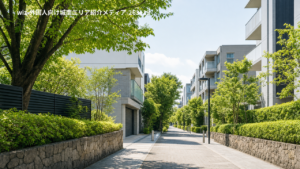
Ebisu is not the cheapest neighborhood in Tokyo — and that’s precisely why it attracts the kind of expat professionals who have done their research. The premium is not just for the postcode; it reflects genuine quality-of-life advantages: low-rise streetscapes, pedestrian-friendly roads, a high concentration of international-friendly services, and a residential calm that Shibuya itself cannot offer.
A Neighbourhood Built for a Global Lifestyle
Ebisu has quietly developed one of Tokyo’s most mature international communities, shaped over decades by the presence of embassies in nearby Hiroo, multinational corporate offices in Roppongi, and a steady influx of expat tech workers drawn to Shibuya’s startup scene. By 2026, that community has deepened further: the Shibuya AI and fintech corridor has attracted a new generation of international professionals, many of whom cite Ebisu as their first-choice residential neighbourhood precisely because it offers a buffer of calm between the office buzz and home.
Walk the streets around Ebisu Garden Place on a weekday evening and you’ll notice the mix: Japanese professionals in their 30s and 40s, young international couples, and a sprinkling of diplomatic-community families who have drifted west from Hiroo. English menus at restaurants are the norm rather than the exception. Pharmacists at the area’s main drugstores are often accustomed to helping non-Japanese customers navigate medications. The neighbourhood feels international without feeling like a tourist zone.
Who Lives Here? The Expat Community in Ebisu in 2026
The expat population in Ebisu skews professional and international. You’ll find a significant number of tech workers — particularly those employed at Shibuya-based companies in the AI, fintech, and platform sectors — alongside finance professionals, creative industry workers, and diplomatic staff from nearby Hiroo. In 2026, the growth of hybrid-work arrangements has also brought a cohort of independent professionals and senior managers for whom proximity to Shibuya matters more on some days than others, and who prioritise neighbourhood quality on all days.
What this means practically: English is widely understood in local shops, cafés, and service businesses. You are unlikely to be the only non-Japanese resident in your building. And the unwritten community norms — quiet hours, bin separation, lift etiquette — are well-established enough that the learning curve for new arrivals is gentle.
Ebisu Neighbourhood Breakdown: Where to Live Based on Your Lifestyle

Ebisu is not a single monolithic neighbourhood. Depending on which pocket you settle in, your day-to-day experience can feel quite different. Here is how the main sub-areas break down for expat renters.
East Ebisu (Station-Adjacent): Maximum Convenience
The streets immediately east of Ebisu Station — around Ebisu Garden Place and the shopping complex attached to it — offer the densest concentration of cafés, restaurants, supermarkets, and services. Commute times are minimal. The trade-off is that street noise and foot traffic are higher, and rents reflect the premium location. Best for: expats who want to walk everywhere and don’t mind urban energy at their doorstep.
West Ebisu (Daikanyama Border): Quiet Streets, Design Edge
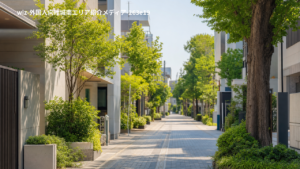
Heading west from the station toward Daikanyama, the residential streets become quieter and lower-rise. Independent boutiques, specialty coffee shops, and well-regarded international restaurants sit alongside the residential blocks. Properties here often occupy converted or purpose-built low-rise buildings that feel more architecturally considered than the tower blocks closer to the station. Best for: expats who value aesthetic environment, walking to Daikanyama’s T-Site and book culture, and a slightly more village-like feel.
South Ebisu (Nakameguro Border): Space and Value
The southern reaches of Ebisu, approaching Nakameguro, tend to offer slightly more space for the money and a more residential, less commercial atmosphere. The Meguro River is walkable, providing one of Tokyo’s best leisure routes. Best for: expats who want a larger floor plan, enjoy the Nakameguro café and bar scene, and are comfortable with a five-to-ten minute walk to the station.
North Ebisu (Hiroo Fringe): Diplomatic Community Proximity
The northern part of Ebisu, close to the Hiroo border, sits within easy reach of the diplomatic community centred around Hiroo’s embassy district. International schools and embassy residences have historically drawn a particular profile of expat household here. Rents in this pocket can be among the highest in the Ebisu postcode. Best for: families or diplomatic-community staff who want proximity to Hiroo’s international infrastructure without paying Hiroo’s top-of-market rents.
Cost of Living & Rent Expectations for Expats in Ebisu (2026)

Ebisu is one of the pricier residential neighbourhoods in central Tokyo, and the 2026 rental market continues to reflect both the area’s prestige and its strong demand from high-income domestic and international renters. Central Tokyo rents have trended upward over the past two to three years, and Ebisu has not been immune to that pressure — if anything, its desirability has amplified it.
Typical Rent Ranges in 2026 and What Drives the Premium
Studio and one-room apartments (1R/1K) generally start at around ¥140,000–¥170,000 per month for well-maintained properties within a 10-minute walk of the station. One-bedroom (1LDK) properties typically range from ¥190,000 to ¥300,000. Two-bedroom (2LDK) apartments can run from ¥300,000 to ¥470,000 or above for newer, well-located properties with modern fittings. Buildings with English-capable management companies or concierge services command a further premium of roughly 5–10% above comparable properties.
What drives Ebisu’s premium over, say, Nakameguro or Meguro? In order of impact: station access on two lines, the density of international-friendly services at street level, low-rise residential character that limits future supply, and the sustained demand from Shibuya-area corporate housing allowances. For many expats on company housing packages, Ebisu sits comfortably within the allowance ceiling for a 1LDK; the challenge is competition, not budget.
Beyond Rent: Full Monthly Cost of Living Estimate
Rent is the largest variable, but expats planning a move to Ebisu should budget realistically across all categories:
| ●Utilities (electricity, gas, water) | ¥15,000–¥30,000/month for a 1LDK, higher in summer (air conditioning) and winter (heating) |
| ●Internet (fibre) | ¥4,000–¥6,000/month; most new buildings are fibre-ready |
| ●Groceries | ¥40,000–¥70,000/month per person, depending on how often you cook at home and your preference for imported goods |
| ●Dining out | Ebisu’s restaurant scene skews upscale; budget ¥1,500–¥3,000 for a casual dinner, ¥5,000+ for a sit-down restaurant meal |
| ●Transport | A monthly Suica/commuter pass to Shibuya is minimal; budget ¥10,000–¥20,000/month for broader Tokyo travel |
| ●Initial move-in costs | Expect 4–6 months’ rent upfront (deposit, key money, agency fee, first month’s rent). This is a significant lump sum — plan accordingly |
KEY POINT
Expats with a verifiable Japanese employment contract and a qualifying guarantor arrangement are generally able to rent in Ebisu without issue. In 2026, the majority of landlords in this price bracket work with registered guarantee companies (hoshō gaisha) that accommodate foreign nationals — removing the traditional need for a Japanese personal guarantor. Working with a bilingual real estate consultant significantly reduces delays and rejections.
How Ebisu Compares to Neighbouring Neighbourhoods
| Neighbourhood | Shibuya Access | 1LDK Est. Range (2026) | International Vibe |
|---|---|---|---|
| Ebisu | 2 min (JR) | ¥190,000–¥300,000 | High |
| Daikanyama | 5–7 min (walk) | ¥165,000–¥250,000 | High |
| Hiroo | 12 min (Metro) | ¥200,000–¥320,000 | Very High |
| Nakameguro | 8 min (Metro) | ¥150,000–¥235,000 | Moderate |
Daily Life in Ebisu: What Expats Actually Experience

Groceries and Food Shopping
Ebisu’s grocery landscape is well-suited to expats with international tastes. The Tokyu Store supermarket near the station is well-stocked and conveniently located for daily shopping. For a wider range of imported goods — European cheeses, specialty condiments, Western breakfast cereals — Meiji-ya in neighbouring Hiroo is a short Metro ride or pleasant 20-minute walk away. National Azabu in Hiroo also stocks a broad international range and has long been an anchor of Tokyo’s expat grocery scene. Closer to home, the basement floor of Ebisu Garden Place’s retail wing carries a curated selection of specialty foods.
Healthcare and English-Speaking Clinics
Access to English-speaking medical care is a practical concern for many expats, and Ebisu performs well. The Hiroo area — easily reached by Metro — is home to several internationally oriented clinics. Tokyo Medical and Surgical Clinic (Motoazabu) and the International Medical Center of Japan operate within reasonable distance, and a number of general practitioners in the Ebisu–Hiroo corridor are accustomed to English-speaking patients. Pharmacists at the main drugstore chains (Matsumoto Kiyoshi, Sundrug) in Ebisu increasingly stock international-brand equivalents.
Gyms, Parks, and Outdoor Life
Yebisu Garden Place has open plazas ideal for an evening walk. The Meguro River, accessible in 10–15 minutes on foot heading south, provides one of central Tokyo’s best running and cycling routes, lined with café terraces that are particularly pleasant from autumn through spring. Several commercial gyms — including KONAMI Sports and independent boutique fitness studios — operate within the Ebisu postcode or a short walk away. The Daikanyama–Ebisu belt has seen a notable increase in boutique fitness (yoga, Pilates, HIIT studios) over recent years, reflecting the neighbourhood’s health-conscious demographic.
Cafés, Restaurants, and Social Life
Ebisu has a restaurant density and quality that punches above its neighbourhood size. Alongside long-established Japanese dining, the area has a maturing international restaurant scene: French bistros, Italian trattorias, Korean-Japanese fusion, and a cluster of specialty coffee shops that would not be out of place in Melbourne or Brooklyn. The Ebisu–Daikanyama stretch is also home to a number of bars with English-speaking staff — useful for newly arrived expats building a social network. The overall atmosphere is more grown-up than nearby Nakameguro, which skews younger and more scene-driven.
How to Rent an Apartment in Ebisu as a Foreign National (Guarantor, Language & Process)
Japan’s rental process has a reputation for complexity among expats — and in some respects that reputation is earned. But the barriers are navigable, and in 2026 the market has become meaningfully more accessible to foreign nationals than it was five years ago. Here is what to expect, and where to focus your energy.
The Three Main Barriers for Foreign Nationals
1. The guarantor requirement. Traditional Japanese rentals required a Japanese personal guarantor (hoshōnin) — a family member or employer who would co-sign responsibility for the lease. For most foreign nationals, this is simply not available. The good news: the vast majority of Ebisu properties in the mid-to-upper price bracket now accept registered guarantee companies (hoshō gaisha) as an alternative. These are commercial entities that assess your employment stability and income, and charge a fee (typically 0.5–1 month’s rent upfront, plus an annual renewal fee). A bilingual agent will know which landlords require which type of guarantor and can match you accordingly.
2. Japanese-only documentation. The lease contract, the building management rules, and all correspondence from the landlord will almost certainly be in Japanese. This is non-negotiable from the landlord’s side — but it is entirely manageable if you have a bilingual consultant reviewing documents on your behalf before you sign anything. Do not rely on machine translation alone for lease contracts; the nuances around cancellation clauses and restoration-to-original-condition obligations (原状回復) matter significantly.