Finding an apartment in Tokyo as a foreign professional is rarely straightforward. The paperwork is dense, the process unfamiliar, and even knowing where to start can feel like a challenge when you are new to Japan. For those working near Shibuya, the search often pulls in a dozen directions at once — and entire neighborhoods get overlooked simply because they are not on the usual shortlist.
Meguro is one of those neighborhoods. Tucked between Shibuya and Shinagawa, it offers a pace of life that many expats genuinely enjoy once they arrive: tree-lined streets, a strong local café culture, and transit links that make the commute feel almost effortless. This guide walks through what Meguro is actually like to live in, covering transport, costs, lifestyle, and practical tips for foreign residents looking to rent here for the first time.
Who this article is for
- ●Foreign professionals working near Shibuya who want a quieter, residential alternative to central Tokyo
- ●Expats new to Tokyo who need English-language guidance on neighborhoods and the rental process
- ●Couples or single professionals looking for a well-connected area with good access to parks, cafés, and daily conveniences
What you’ll learn
- ●Understand what makes Meguro a practical, livable choice for English-speaking expats in 2026
- ●Get a clear picture of train lines, commute times, and rental price ranges for the area
- ●Learn what to watch out for when renting in Meguro as a foreign national
What makes Meguro genuinely appealing for expats

Meguro sits in Tokyo’s Jonan zone — a broad residential belt south and southwest of central Tokyo that includes parts of Shinagawa, Ota, and Setagaya. Within that zone, Meguro has a particular reputation: it feels like a proper neighborhood rather than a transit hub, with a character shaped by long-term residents, independent businesses, and some of the most pleasant riverside walking in the city.
A neighborhood that works for daily life
One of Meguro’s most practical strengths is how functional it is for everyday living. The area around Meguro Station has a solid mix of supermarkets, pharmacies, convenience stores, and international grocery options — including stores that stock non-Japanese food products more reliably than many other Tokyo neighborhoods at a similar price point. For residents who cook at home, this matters more than it might seem when you are first evaluating an area on a map.
The Meguro River itself runs through the ward and is a well-loved local landmark year-round. It is not a grand waterway, but the path along its banks is used constantly by residents for morning runs, evening walks, and weekend strolls. The cherry blossom season draws larger crowds, but outside of that period it is a genuinely peaceful stretch of the city that is easy to access from most parts of the neighborhood.
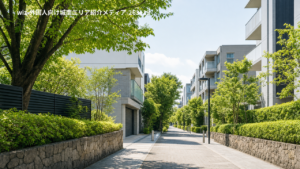
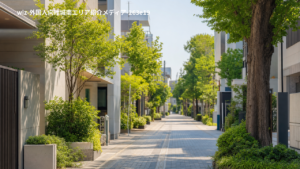
Meguro-ku also has a well-maintained network of parks and smaller green pockets scattered through its residential streets. For professionals used to cities where you have to travel far to find open space, the density of greenery in Meguro tends to be a pleasant surprise. It is not a dramatic landscape, but it contributes to the livability that many long-term expat residents cite as a reason they stay in the area.
An established expat presence without the bubble effect
Some Tokyo neighborhoods have a large expat population but feel disconnected from the surrounding city — sealed off in international enclaves with little engagement with the local community. Meguro is notably different in this regard. The foreign resident population has grown steadily over the years, supported in part by the proximity to major tech employers and media companies clustered around Shibuya and Daikanyama, but the neighborhood has not tipped into a zone where you can go a full week without interacting with Japanese-language services or local businesses.
This balance appeals to many expats in their late twenties and thirties who want to genuinely live in Tokyo rather than simply be based there. English is more widely spoken in Meguro than in outer-ward neighborhoods, and there are several cafés, restaurants, and service providers where staff are comfortable communicating in English. At the same time, the area retains a strong local character — something that tends to make long-term residents feel more settled than they might in a more overtly internationalized district.
Safety, walkability, and general livability scores
Meguro-ku consistently ranks among Tokyo’s more livable wards when assessed on standard quality-of-life indicators. Crime rates in the ward are low relative to the city average, and the street environment — particularly in the residential pockets north and west of Meguro Station — is the kind that many people describe as feeling genuinely calm at night. This is not unusual for Tokyo as a whole, but Meguro sits at a comfortable level even within that already-safe context.
Walkability is strong near the station and along the river corridor, though parts of the ward further from the main train lines require a bicycle or bus to reach daily needs conveniently. Residents who live within a ten to fifteen minute walk of Meguro Station generally find that most of their routine errands are manageable on foot. For everything else, the transit connections covered in the next section fill the gaps efficiently.
Train lines, commute times, and getting around from Meguro

Meguro’s transit situation is one of its clearest practical advantages. The ward is served by multiple lines, which means that most major employment hubs in central Tokyo — Shibuya, Shinagawa, Shinjuku, Roppongi, and the Tokyo Station corridor — are all reachable without complicated transfers and without long journey times. For professionals who are evaluating neighborhoods primarily based on commute, Meguro tends to hold up well against alternatives at a similar rent level.
Meguro Station and the Yamanote Line
The Yamanote Line is the workhorse of Tokyo’s rail network, and Meguro Station sits on it directly. This gives residents one-transfer-or-less access to nearly every major destination in the city. The journey to Shibuya takes around eight minutes, which is short enough that many residents describe it as a non-issue even on busy mornings. Shinagawa — a growing hub for international companies and increasingly important as a gateway for the Shinkansen — is roughly twelve minutes in the other direction.
The Yamanote Line runs frequently throughout the day and evening, and the Meguro Station section rarely suffers from the extreme crowding found at major interchange stations like Shinjuku or Ikebukuro during peak hours. The platform experience at Meguro is noticeably calmer than at larger stations, which is something that daily commuters tend to appreciate more the longer they live in the city.
The Tokyu Meguro Line and subway connections
Beyond the Yamanote Line, Meguro Station is also served by the Tokyu Meguro Line, which connects directly through the Namboku Line and Mita Line subway networks. This extended reach gives residents access to Azabu-Juban, Shirokane-Takanawa, and Roppongi-Itchome without changing to the Yamanote Line first. For professionals working in the Roppongi or Azabu corridor — an increasingly common employment zone for tech and media companies — this is a meaningful transit advantage.
The Tokyu Meguro Line also extends out toward Musashi-Kosugi and beyond for those with connections to Kanagawa or further southwest. While most expats living in Meguro work in central Tokyo, the flexibility of being connected to both the Yamanote ring and a direct subway corridor is one of the reasons the area holds its rental value reliably over time.
Cycling and local bus options within the ward
Meguro-ku has a reasonably functional cycling infrastructure for those who want to supplement their train commute with a bicycle for local errands. The ward participates in Tokyo’s share-cycle program, and there are multiple docking stations in the area around Meguro Station and along the river. Many residents use a bicycle for the last mile between their apartment and the station, which opens up a wider range of apartments — including those that are a ten to fifteen minute cycle from the nearest train stop rather than a short walk.
Local bus routes fill some of the gaps in the ward’s transit coverage, particularly in the hillier residential pockets to the north. The buses are reliable and well-integrated into the IC card system used across Tokyo’s public transport network, so navigating them requires no special preparation beyond an already-loaded Suica or Pasmo card. That said, most expats who prioritize a smooth daily commute tend to focus their apartment search within walking or short-cycling distance of Meguro Station itself.
Rental market overview: what to expect in Meguro in 2026

Meguro’s rental market sits firmly in the mid-to-upper range for Tokyo, reflecting its location, transit access, and consistent demand from both Japanese and international residents. Prices vary significantly depending on apartment size, distance from the station, building age, and whether the unit has been renovated. The figures below are general reference points based on typical market conditions in the area — always verify current availability with a rental specialist before making decisions.
| Apartment type | Typical monthly rent range | Best for |
|---|---|---|
| 1K / 1DK (studio) | ¥120,000 – ¥180,000 | Single professionals, compact living near station |
| 1LDK | ¥180,000 – ¥260,000 | Couples, singles who want separate living and sleeping space |
| 2LDK | ¥250,000 – ¥380,000 | Couples with home-office needs, small households |
| 3LDK and above | ¥380,000+ | Larger households, high-specification buildings |
What drives the variation within the ward
Location within Meguro-ku makes a significant difference to rent. Apartments within a five-minute walk of Meguro Station command a premium, often sitting toward the top of the ranges above. Units that are a ten to fifteen minute walk from the station — or accessible primarily by bicycle or bus — typically come in ten to twenty percent lower on average, which can represent a meaningful saving over a twelve-month lease. The trade-off is convenience, and whether that trade-off makes sense depends heavily on each individual’s daily routine and comfort with cycling or using local buses.
Building age is another major variable. Older buildings — those constructed before the mid-1980s — generally offer lower rents but may lack features that many expat tenants prioritize, such as modern bathroom fittings, auto-locking entrances, and adequate insulation against summer heat and winter cold. Renovated older buildings can represent good value if the renovation is recent and comprehensive, but this varies considerably from unit to unit and requires hands-on assessment.
What you will typically pay upfront
Tokyo’s rental market involves several upfront costs beyond the first month’s rent, and Meguro is no exception. The standard initial payment package typically includes a security deposit (shikikin) of one to two months’ rent, a key money payment (reikin) in some cases, the first month’s rent in advance, and agency fees. In total, upfront costs for renting in Meguro can range from two to five times the monthly rent depending on the property and the landlord’s terms.
For foreign nationals, there is an additional layer of complexity: many landlords require a Japanese guarantor or a guarantee company, and some buildings still have informal preferences against renting to non-Japanese residents. This is where working with a rental service that has established landlord relationships and experience navigating these situations becomes genuinely valuable rather than simply convenient. It is one of the most common pain points that expat renters in Meguro report, particularly those who are new to Japan and attempting to navigate the process without Japanese language skills.
How Meguro compares to nearby neighborhoods
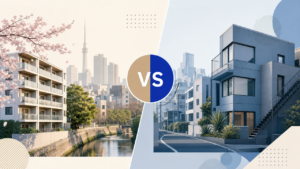
Meguro sits in a competitive bracket alongside Nakameguro, Daikanyama, and Ebisu — all of which are popular with expats for broadly similar reasons. Nakameguro tends to attract a younger, more trend-conscious crowd and has seen significant rent increases over recent years driven partly by its social media profile. Daikanyama is quieter and slightly pricier for equivalent space. Ebisu is arguably the most polished of the four, with strong expat infrastructure and higher average rents to match.
Meguro itself sits at a point where it offers the transit and lifestyle benefits of this cluster without the premium attached to the most fashionable sub-neighborhoods. For professionals who prioritize function and livability over being in the most talked-about area, it tends to represent reasonable value relative to what it offers. That said, reasonable is a relative term in central Tokyo, and anyone with firm budget constraints will need to weigh these neighborhoods carefully against options slightly further from the city center.
Day-to-day life in Meguro: food, errands, and local culture

Reading about a neighborhood’s transit links and rent ranges tells you whether it is feasible. Understanding what daily life actually looks and feels like is what tells you whether it is somewhere you will genuinely want to be. Meguro has a character that tends to reward the people who settle in rather than those passing through — a quality that matters more over a two or three-year lease than it might seem at the apartment-viewing stage.
Food and dining options
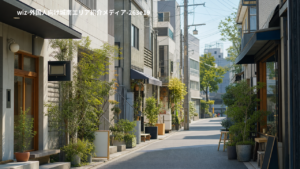
Meguro has a dining scene that leans toward quality rather than volume. There is no equivalent of the dense, multi-floor restaurant buildings found around major interchange stations, but the neighborhood has a well-regarded set of independent restaurants, cafés, and bars scattered across its streets. Japanese cuisine dominates, as it does throughout the city, but international options are more present here than in many Tokyo neighborhoods — reflecting both the local expat population and the proximity to Daikanyama and Nakameguro, where the international food scene is more developed.
For grocery shopping, residents have access to a range of supermarkets at different price points, from the standard national chains to higher-end stores with wider selections of imported products. Several of the supermarkets in the area stock English-language labeled packaging and international products consistently, which is a practical advantage for expats who cook at home. There are also a handful of specialty food shops and delis that have become fixtures for the area’s international community over the years.
Everyday services and English-language support
One practical concern that expats often raise about living in Tokyo is how much of daily life requires navigating Japanese-language bureaucracy or services. In Meguro, the situation is meaningfully better than the Tokyo average. The ward office (Meguro-ku office) has multilingual support resources and has made consistent efforts to improve its services for non-Japanese residents. Routine tasks like residence registration, utility setup assistance, and basic administrative queries can generally be handled without requiring a Japanese-speaking friend to accompany you.
For medical needs, there are clinics and hospitals in the ward with English-speaking staff, though the availability varies and it is worth identifying your nearest English-friendly option before you actually need it. Dental, general practice, and specialist services are all represented in the area. International residents who have lived in Meguro for several years generally note that their medical situation became progressively easier to manage as they built up knowledge of which providers worked best for their needs — a process that takes some time but is manageable from the start with the right introductions.
Parks, river walks, and weekend activities
Weekend life in Meguro tends to center on the river walk and the neighborhood’s café culture rather than major destination attractions. The Meguro River path is the neighborhood’s most distinctive public space, and it functions as something like a living room for local residents — a place to run in the morning, walk on weekend afternoons, and meet friends at the café terraces that line sections of the bank. It is not a dramatic feature, but it contributes meaningfully to the quality of daily life in ways that are hard to quantify from the outside.
Larger parks and green spaces in the surrounding area — including Rinshi no Mori Park, which sits within the ward — offer additional outdoor options without requiring a long journey. For residents who want a bigger natural escape, Shinjuku Gyoen and Yoyogi Park are both accessible within twenty to thirty minutes by train. The balance between local greenery and easy access to larger parks is one aspect of Meguro’s geography that tends to emerge as a genuine positive for residents who have lived there for a year or more.
Common challenges expats face when renting in Meguro — and how to avoid them
Understanding what can go wrong in the rental process in Meguro is at least as valuable as knowing what goes right. Several recurring issues come up consistently among foreign nationals who have navigated the rental market here, and being aware of them in advance can make a meaningful difference to the outcome of your search.
- ●Assuming English-language listings reflect the full market — many of the best properties are only listed in Japanese and require a Japanese-language search or a bilingual agent to access
- ●Underestimating upfront costs and arriving at the contract stage without sufficient funds ready to transfer
- ●Failing to check guarantor requirements before falling in love with a specific property — some buildings categorically do not accept overseas guarantors or foreign nationals without extensive documentation
- ●Overlooking apartment-specific issues such as insulation quality, ventilation, and sun exposure — factors that matter significantly in Tokyo’s summer heat and winter cold
- ●Moving forward without clarifying what is and is not included in the management fee, which varies considerably between buildings
The guarantor problem and how it is typically resolved
The guarantor requirement is the issue that creates the most friction for first-time renters in Japan who are foreign nationals. Traditionally, Japanese rental contracts required a personal guarantor — typically a Japanese citizen or permanent resident — who would take on financial responsibility for the tenant in the event of non-payment or property damage. This system created significant barriers for expats who arrive without an established network of Japanese contacts.
The good news is that guarantee companies (hoshō gaisha) are now widely accepted as an alternative, and most international-friendly landlords and agencies work within this framework as standard. The guarantee company charges a fee — typically one to two percent of the monthly rent per year — and takes on the guarantor role. This is not free, but it removes the need to find a Japanese personal guarantor and is well worth the cost for the access it provides to a wider pool of properties.
Where things still get complicated is in the minority of properties managed by older landlords who prefer personal guarantors and do not accept guarantee companies, or who have informal preferences against renting to non-Japanese residents regardless of their documentation or income level. Working with an agency that has existing relationships with Meguro landlords is the most reliable way to filter these properties out before investing significant time in viewings — and to access properties where the landlord has an established track record of renting comfortably to foreign nationals.
Documentation requirements for foreign nationals
Beyond the guarantor question, foreign nationals applying for apartments in Japan are typically required to provide a more extensive documentation package than Japanese citizens. Standard requirements include a residence card (zairyu card), proof of employment or income — usually a certificate of employment from your company and recent payslips — your passport, and in some cases a letter from your employer confirming your salary and contract type.
The application process can feel bureaucratic for those unfamiliar with it, and the timelines can be tighter than expected, particularly if a popular property has multiple applicants. Having your documentation prepared and organized before you begin viewings gives you a genuine advantage in competitive situations. A well-prepared application package reviewed and submitted by an agent who understands what the specific landlord is looking for is materially more likely to succeed than one pieced together under time pressure.
What to verify before signing anything
The contract stage in Japanese rental transactions involves a detailed explanation of the contract terms — known as the jūyō jikō setsumei, or “important matters explanation” — delivered by a licensed real estate agent before signing. For non-Japanese speakers, this stage presents an obvious challenge: a dense legal document explained in Japanese without adequate translation is not a meaningful protection for the tenant. Many expats report signing contracts they did not fully understand and discovering later that specific clauses — around cleaning costs at move-out, pet policies, or subletting restrictions — were more restrictive than they had assumed.
Having a bilingual agent or consultant present at this stage, or at minimum a thorough pre-signing translation and review of the key clauses, is strongly advisable. It adds time to the process but protects against the kind of surprises that create real friction at move-out and erode the value of an otherwise successful rental.
How Living in Jonan supports expats finding a home in Meguro
The challenges described in this guide are not unique to Meguro — they apply across most of central Tokyo’s rental market. What makes them manageable is working with people who understand both sides of the process: the practical expectations of landlords and the genuine needs of foreign professionals navigating an unfamiliar system. That is where the support that Living in Jonan provides becomes concretely useful rather than simply reassuring.
Living in Jonan, operated by Balleggs global, is a Tokyo apartment rental service built around English-speaking, bilingual consultants who work directly with foreign residents through every stage of the rental process — from neighborhood selection and property search through to contract review and move-in support. The service draws on 25 years of experience as a real estate consulting firm, which translates into an established network of landlords in the Jonan area — including Meguro — who are familiar with international tenants and comfortable working with the documentation and guarantee structures that foreign nationals typically bring.
For residents who are weighing Meguro against neighboring areas like Nakameguro, Daikanyama, or Shinagawa, the team can provide a comparative view of the current market and help identify which parts of the ward are likely to match a specific lifestyle and budget combination most closely. Properties in the Jonan zone can be searched online by area and train line, which gives prospective residents a concrete starting point before speaking with a consultant.
- ●Need English-language support throughout the rental process, including contract review
- ●Are new to Japan and want a consultant who understands the documentation requirements for foreign nationals
- ●Want access to Meguro and Jonan-area properties backed by established landlord relationships
- ●Value reliable, experience-backed guidance rather than general search tools
How the initial consultation works
Summary: Is Meguro the right neighborhood for you?
Meguro does not market itself the way some of its neighbors do. It does not have Nakameguro’s canal-side cool or Daikanyama’s boutique-village reputation. What it does have is a consistent, livable quality that rewards people who choose it for practical reasons and then find that the lifestyle adds up to something genuinely enjoyable over the longer term.
For English-speaking professionals working near Shibuya, the commute argument alone is compelling: eight minutes on the Yamanote Line is hard to beat at any price point. Combined with a functional daily environment, a growing but well-integrated expat community, and access to the Jonan area’s broader residential strengths, Meguro deserves a place on any serious shortlist for those thinking about where to put down roots in central Tokyo.
The rental process here, as across Japan, requires some preparation and the right support — particularly for foreign nationals dealing with guarantor requirements and Japanese-language contract documentation. Approaching the search with a clear sense of your priorities and reliable, bilingual help alongside you turns what can feel like an intimidating process into a manageable one. Living in Jonan exists specifically to provide that support for residents choosing the Jonan area, drawing on decades of local experience and a genuinely bilingual team.
| Why Meguro works well for expats | Points to weigh carefully |
|---|---|
|
|
Frequently asked questions about living in Meguro as an expat
Is Meguro a good neighborhood for English-speaking expats who do not speak Japanese?
Meguro is generally considered one of the more accessible Tokyo neighborhoods for non-Japanese speakers. English is spoken more widely here than in many outer-ward neighborhoods, and the ward office has multilingual resources available. That said, daily life in Japan requires navigating some Japanese-language environments regardless of where you live — particularly for contracts, utilities, and medical appointments. Working with a bilingual consultant for the rental process itself is strongly advisable.
How long does it typically take to find and secure an apartment in Meguro?
The timeline varies depending on the season and how specific your requirements are. In Tokyo’s rental market generally, the period from active search to signed contract can range from two to six weeks for a well-prepared applicant. Popular properties move quickly, so having documentation ready before you start viewings is an advantage. Working with an agency that knows the Meguro market can compress the search phase significantly.
What is the Meguro River and does it affect which part of the ward to live in?
The Meguro River is a canal-like waterway that runs through the ward and into the neighboring area of Nakameguro. The promenade along its banks is a popular feature for residents. Apartments near the river tend to be highly sought after and priced accordingly. Living close to the river is a genuine lifestyle advantage, but it is worth comparing the cost premium against other priorities like proximity to the station or apartment size.
Do I need a Japanese guarantor to rent in Meguro?
Not necessarily. Most landlords and agencies in Meguro now accept guarantee companies (hoshō gaisha) as an alternative to a personal Japanese guarantor. This is the standard route for foreign nationals and involves a fee typically equivalent to one to two percent of the annual rent. A minority of properties still require a personal guarantor, but a well-connected rental agency will generally be able to screen these out or find suitable alternatives.
How does Meguro compare to Nakameguro or Daikanyama for expat living?
All three neighborhoods sit in the same cluster and share broadly similar transit and lifestyle characteristics. Nakameguro has a trendier reputation and has seen significant rent increases in recent years. Daikanyama is quieter and slightly more upscale. Meguro tends to offer a balance of transit convenience, livability, and relative value compared to its immediate neighbors — making it a strong choice for those who prioritize function alongside lifestyle quality.
Learn more about how we can help.
Bilingual consultants guide you so foreign residents can find a home with confid