Choosing between Setagaya and Shinagawa is one of the first real decisions many foreign professionals face when relocating to central Tokyo. Both wards sit south of Shibuya, both offer excellent train access, and both come up repeatedly in expat conversations — yet they serve very different lifestyles, budgets, and priorities.
If you have been searching listings, comparing commute times, and still feel unsure which direction to go, you are not alone. The two wards look similar on paper but feel completely different on the ground. This guide breaks down the key differences across commute, rent, lifestyle, and day-to-day livability so you can make a confident decision before signing anything.
Who this article is for
- Foreign professionals in their 20s–40s working near Shibuya, Ebisu, or Osaki who need to choose a base in South Tokyo
- Singles or couples without children who want both a comfortable home and a walkable neighborhood
- Anyone comparing Setagaya and Shinagawa for the first time and unsure where to start
What you’ll learn
- How Setagaya and Shinagawa compare across commute, rent, atmosphere, and daily convenience
- Which type of resident each ward suits best, with specific sub-area recommendations
- Practical tips for narrowing your search before contacting a bilingual real estate consultant
How to Think About This Choice: Five Evaluation Axes

Before diving into ward-by-ward breakdowns, it helps to have a clear framework. The five axes below capture what most Shibuya-area workers actually care about when choosing between these two wards. Use them as a personal checklist as you read.
Commute Time and Line Access
Your daily commute to Shibuya or neighboring hubs is likely the single most constrained variable — everything else can be adjusted, but you cannot change where your office is. Setagaya is served by three major private railways: the Tokyu Toyoko Line, the Tokyu Den-en-toshi Line, and the Odakyu Line, depending on which sub-area you are looking at. Shinagawa, by contrast, is anchored by the JR Yamanote Line, the Keikyu Line, and the Tokaido Shinkansen hub at Shinagawa Station itself.
For Shibuya commuters, Setagaya tends to offer the more direct route. Stations like Sangenjaya (Den-en-toshi Line, about 6 minutes to Shibuya) or Nakameguro-adjacent parts of Setagaya along the Toyoko Line put you within a genuinely short train ride. Shinagawa takes slightly longer to reach Shibuya — typically 15 to 20 minutes via the Yamanote Line — but offers exceptional access to Osaki, Gotanda, and the entire JR South corridor. If your office is in Marunouchi, Shinagawa, or anywhere along the JR South lines, Shinagawa-ward becomes the more logical anchor.
The key question is not simply “how long is the commute to Shibuya?” but rather which lines your daily routes actually use. If you want a deeper breakdown of the two main Tokyu lines that serve much of Setagaya, this guide to the Toyoko Line vs Den-en-toshi Line covers the tradeoffs in detail.
Rent Levels and Apartment Size
As a general tendency, Shinagawa offers more floor space per yen than Setagaya, particularly in the areas south of Osaki and around Oi and Togoshi. Setagaya commands a premium in its most desirable pockets — Sangenjaya, Mishuku, Komazawa — where a 1LDK (one bedroom with a combined living and dining room) in a newer building can run anywhere from roughly ¥150,000 to ¥220,000 per month depending on age, floor, and facilities. Comparable units in parts of Shinagawa such as Gotanda or Togoshi tend to sit at the lower end of that range or below it.
That said, Shinagawa is not uniformly affordable. The Osaki and Higashi-Shinagawa waterfront areas have seen significant high-rise development, and asking rents in newer towers there can match or exceed Setagaya’s premium zones. The practical takeaway is that budget-conscious renters generally find more options in Shinagawa, while those prioritizing neighborhood character and walkability may find Setagaya worth the premium.
Neither ward charges key money (礼金) universally — the practice varies by landlord and building age. Security deposits (敷金) of one to two months remain common across both wards. If you want a fuller picture of what renting in central Tokyo actually costs upfront, The Complete Foreigner’s Guide to Renting an Apartment in Tokyo walks through all the initial fees in plain English.
Neighborhood Atmosphere and Walkability
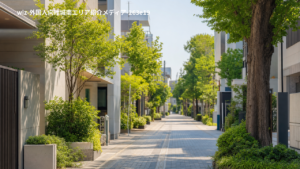
Setagaya is widely regarded as one of Tokyo’s most livable residential wards. Its defining quality is a low-density, human-scale urban texture — tree-lined streets, independent cafés, small parks tucked between houses, and a general sense that the area was built for people who plan to stay rather than pass through. Sub-areas like Sangenjaya (often called “Sangen-jaya” or just “Sangeja” by locals) have a well-established expat community, a strong independent food and bar scene, and a Sunday-morning feel that persists even on weekdays.
Shinagawa’s atmosphere is more varied and harder to characterize as a single ward. The northern part around Osaki and Gotanda reads as an urban professional hub — dense, well-connected, convenient, with a mix of high-rise condos, chain restaurants, and office towers. Moving south toward Togoshi or Nishi-Oi, the texture shifts to quieter, more traditional residential streets that feel closer in spirit to Setagaya than to the Shinagawa Station area. For residents who want walking-distance convenience to multiple services without necessarily wanting a “trendy neighborhood” identity, parts of southern Shinagawa offer an underrated quality of life.
English-Friendliness and Expat Infrastructure
Both wards have established international communities, but the distribution differs. Setagaya has long attracted English-speaking residents — particularly in Sangenjaya, Komazawa, and along the Toyoko Line corridor — and the ward’s proximity to international schools in Meguro and Shibuya has reinforced this over decades. International supermarkets, English-signposted services, and buildings with English-speaking management staff are all relatively accessible in the most popular sub-areas.
Shinagawa’s expat infrastructure is more concentrated around Osaki and the waterfront, where large residential developments often include English-language management services. The ward overall has seen growing internationalization in recent years, though the distribution is less even than in Setagaya. For either ward, working with a bilingual real estate consultant — rather than navigating Japanese-only listings and agency conversations alone — makes a meaningful practical difference. Living in Jonan’s bilingual team covers both wards and can filter properties by language accessibility, building rules, and landlord flexibility toward foreign tenants.
Access to Parks, Fitness, and Outdoor Space
Setagaya has a genuine advantage here. The ward is home to some of Tokyo’s most respected green spaces: Komazawa Olympic Park (with its running tracks and sports facilities), Setagaya Park, and the Noboritokaido riverside path along the Tamagawa are all frequently cited by residents as daily-use amenities rather than occasional destinations. The ward’s lower building density means that even street-level walks feel less hemmed in than in denser wards.
Shinagawa offers the Rinkai cycling path and the Oi Futo waterfront park, both popular with weekend cyclists and runners. The ward is less green per square kilometer than Setagaya, but the waterfront access is genuinely distinctive. For residents who prioritize a structured gym and urban convenience over open parkland, Shinagawa’s density is rarely a drawback. For those who want to step outside in the morning and immediately be in green space, Setagaya is the stronger choice.
Which Ward Suits You? A Persona-Based Guide

Rather than declaring one ward categorically better, it is more useful to match ward characteristics to the specific circumstances that define your situation. The four personas below cover the most common profiles among Shibuya-area foreign professionals.
The Creative Professional Who Values Neighborhood Character
If your daily life involves working flexible or hybrid hours, valuing walkable coffee shop options, and wanting to feel genuinely embedded in a neighborhood rather than just housed in it, Setagaya — particularly Sangenjaya or the Komazawa area — is likely the stronger fit. The ward’s independent retail culture, active street life on evenings and weekends, and well-established sense of community create the kind of ambient quality of life that is genuinely difficult to quantify but easy to feel.
Rent will be toward the higher end of the Jonan area range in the premium sub-areas, but the walkability and neighborhood texture are among the best available in central Tokyo. For a comparable lifestyle closer to Shibuya’s immediate vicinity, the Nakameguro area in Meguro-ward offers similar qualities — this Nakameguro guide for expats is worth reading as a cross-comparison.
- Hybrid or flexible workers who spend significant time at home and in the neighborhood
- Those who prioritize walkable cafés, restaurants, and parks over transit mega-hubs
- Residents who want to feel part of a community rather than just a building tenant
The Office-Commuter Who Wants Efficient Access to Multiple Hubs
If you work primarily in an office — particularly one in Shibuya, Ebisu, Osaki, or along the JR South corridor — and your priority is minimizing commute friction while living in a comfortable apartment, Shinagawa’s northern areas (Osaki, Gotanda, Togoshi-Ginza) offer an excellent balance of transit access and livability. The JR Yamanote Line and the Tokyu Ikegami Line together provide very strong coverage, and Shinagawa Station itself is one of Tokyo’s best-connected transport hubs.
For professionals whose company might relocate offices, or whose role involves frequent travel including Shinkansen use, being based near Shinagawa Station adds a practical resilience that Setagaya’s residential quiet cannot match. The Gotanda area guide offers a useful look at one of Shinagawa’s most livable and underrated sub-areas.
- Daily office commuters who value transit speed and reliability above neighborhood atmosphere
- Professionals who travel frequently and need Shinkansen or airport access
- Those who want maximum floor space per budget in a well-connected location
The Budget-Conscious Renter Who Wants Central Access
For professionals managing a tighter housing budget while still wanting to live within reasonable reach of Shibuya, southern Shinagawa — specifically areas like Togoshi, Nishi-Oi, and Aomono-yokocho — offers genuinely good value. These areas sit on efficient train lines, have solid local shopping infrastructure (Togoshi Ginza is one of Tokyo’s longest shotengai shopping streets), and provide the kind of functional residential quality that newer high-rises further north charge significantly more for.
Within Setagawa, budget-friendly pockets exist further from Shibuya along the Odakyu Line (Setagaya, Kyodo, Soshigaya-Okura stations), but the commute time to Shibuya extends accordingly. The tradeoff between cost, commute, and neighborhood quality is nowhere sharper than in comparing these sub-areas.
- Renters prioritizing floor space and value over premium neighborhood branding
- Those comfortable with a 20–30 minute commute to Shibuya in exchange for lower rent
- Residents who value local shotengai shopping culture and practical amenities
The Tech Professional Based Near Google, ByteDance, or Shibuya Startups
For professionals working in Shibuya’s tech cluster — whether at major international companies or the growing startup ecosystem around Daikanyama and Ebisu — the Setagaya corridor along the Toyoko Line (Nakameguro, Yutenji, Toritsu-Daigaku) or the Den-en-toshi Line (Sangenjaya, Komazawa) represents the most direct and time-efficient residential zone. These areas are also among the most internationalized in the ward, with buildings accustomed to foreign tenants and neighborhoods with strong English-language service availability.
If your office is near Google Japan’s Shibuya presence or similar Shibuya/Minami-Aoyama tech addresses, the relevant neighborhood comparison is covered in detail in this guide to living near the Google Japan office, which includes specific sub-area and station recommendations.
- Tech workers whose office is in or immediately adjacent to Shibuya or Daikanyama
- Those who want the shortest possible commute combined with a livable, expat-friendly neighborhood
- Residents who value international community and English-friendly services in daily life
Rent and Cost Comparison: What to Budget in 2026

Rent in both wards covers a wide range depending on building age, distance from the station, floor level, and whether the unit is furnished. The figures below represent general market tendencies rather than guaranteed prices — actual listings vary, and conditions move with the broader Tokyo rental market.
Understanding the Upfront Cost Structure
Upfront costs in Tokyo can feel significant the first time you encounter them. A typical move-in package includes a security deposit (敷金, shikikin) of one to two months’ rent, an agency fee of roughly one month’s rent, and in some cases key money (礼金, reikin) of zero to two months depending on the landlord’s terms. Newer buildings and properties managed by larger real estate companies are more likely to offer zero key money arrangements, which is worth specifically requesting when you search.
For a 1LDK in Sangenjaya at ¥180,000 per month, the total upfront payment before you move in — deposit, agency fee, first month’s rent, and insurance — could range from approximately ¥500,000 to ¥700,000. Budgeting for this initial outlay is essential, particularly if you are relocating without a company housing allowance. Bilingual consultants at Living in Jonan can help you identify zero-key-money properties and landlords who have a track record of approving foreign nationals without a Japanese guarantor.
What Your Rent Gets You in Each Ward
The practical value of rent differs meaningfully between the two wards. In Setagaya’s premium sub-areas, a higher monthly figure tends to buy neighborhood quality — the cafés outside your door, the park within walking distance, the slower pace that makes coming home feel rewarding. The apartments themselves may not be significantly larger or newer than equivalents in Shinagawa at the same price point.
In Shinagawa, particularly in the Osaki high-rise corridor, a comparable or lower monthly rent tends to buy more square footage, more recent construction, and better building facilities (concierge services, gym, automated parcel rooms). For professionals who spend most waking hours in an office and want their apartment to be a well-organized, quiet base, Shinagawa’s newer stock represents strong functional value. The question of whether neighborhood atmosphere or apartment specification matters more to your daily quality of life is ultimately personal — but it is worth thinking through before you start visiting properties.
Setagaya vs Shinagawa: Side-by-Side Comparison

The table below summarizes the key differences across the five evaluation axes introduced earlier. Use it as a quick reference, but refer to the sections above for the full context behind each rating.
| Criteria | Setagaya | Shinagawa | Best for |
|---|---|---|---|
| Commute to Shibuya | ◎ 6–20 min (Tokyu lines) | ○ 15–25 min (Yamanote) | Setagaya for Shibuya-centric roles |
| Multi-hub Access | ○ Good (Tokyu network) | ◎ Excellent (JR + Shinkansen) | Shinagawa for JR corridor workers |
| Rent (1LDK typical) | ¥110K–¥230K / mo | ¥95K–¥210K / mo | Shinagawa for budget flexibility |
| Neighborhood Atmosphere | ◎ Residential, walkable, lively | ○ Varies by sub-area | Setagaya for lifestyle-first renters |
| English-Friendliness | ◎ High in core expat zones | ○ Good near Osaki/waterfront | Setagaya for expat community access |
| Green Space / Parks | ◎ Komazawa Park, riverside paths | ○ Oi waterfront, Rinkai path | Setagaya for daily outdoor access |
| Apartment Supply | ○ Wide range, limited towers | ◎ Strong high-rise new stock | Shinagawa for modern building facilities |
Reading the Comparison: What the Table Does Not Capture
The table above provides a structural overview, but two things resist easy comparison. First, the within-ward variation in both wards is substantial — Sangenjaya and Soshigaya-Okura are both in Setagaya but feel like entirely different cities. Similarly, Gotanda and Nishi-Oi are both in Shinagawa but differ sharply in density and commercial character. The ward boundary is an administrative line, not a meaningful lifestyle boundary.
Second, the “right” answer depends almost entirely on which sub-area within each ward you are considering. Comparing premium Setagaya (Sangenjaya) with budget Shinagawa (Togoshi) produces a misleading cost comparison. The more useful comparison is: the best Setagaya match for your lifestyle vs. the best Shinagawa match for your lifestyle — and that requires knowing your priorities clearly before you start browsing listings.
Sub-area Quick Reference
The following table maps the most relevant sub-areas in each ward to specific resident profiles, giving you a starting shortlist for your search.
| Sub-area | Ward | Key Line(s) | Best For | Rent Level |
|---|---|---|---|---|
| Sangenjaya | Setagaya | Den-en-toshi Line | Lifestyle-first, Shibuya commuters | High |
| Komazawa | Setagaya | Den-en-toshi Line | Park access, quiet residential | High–Mid |
| Kyodo / Setagaya Stn | Setagaya | Odakyu / Setagaya Line | Budget-conscious, local life feel | Mid–Low |
| Osaki / Gotanda | Shinagawa | JR Yamanote / Ikegami | JR commuters, modern building fans | Mid–High |
| Togoshi / Nishi-Oi | Shinagawa | Tokyu Ikegami / JR | Value-focused, shotengai culture | Low–Mid |
| Higashi-Shinagawa | Shinagawa | Keikyu / Rinkai Line | Waterfront lifestyle, newer towers | Mid–High |
Practical Renting Considerations for Foreign Nationals
Choosing the right ward is only part of the challenge. Foreign nationals face a distinct set of practical hurdles in the Tokyo rental market that apply regardless of which ward you choose — and understanding them in advance makes the process significantly smoother.
Guarantor Requirements and Rental Guarantee Services
Most Tokyo landlords require either a Japanese individual guarantor or, increasingly, a rental guarantee company (保証会社, hoshō gaisha) as a substitute. For foreign nationals without family in Japan, the individual guarantor route is often not available — but the shift toward institutional guarantee companies has actually made renting easier for internationals in recent years. Most major guarantee services accept foreign nationals with valid residence status and documented employment, and approval rates have improved as the services have become more mainstream.
The key is knowing which guarantee services a given landlord accepts, and whether the property management company has experience processing foreign tenant applications. A bilingual consultant who works with these applications regularly will know which properties have a smoother approval path for international residents — reducing the frustrating experience of applying for a property only to be declined at the guarantee stage.
Lease Terminology and What to Check Before Signing
Japanese lease agreements are almost always in Japanese, and the standard Tokyo lease contains several clauses that can cause issues at move-out if not understood in advance. The most important to clarify upfront include: the scope of tenant responsibility for restoration costs at move-out (原状回復, genjō kaifuku), renewal fees (更新料, kōshin-ryō) which are common in Tokyo and typically equal to one month’s rent every two years, and any rules around subletting, guests, or operating a home office.
Living in Jonan provides bilingual support through the contract review process, which means you are not navigating these clauses alone with a dictionary. Having a consultant who can explain what a clause actually means in practical terms — rather than just its literal translation — is one of the less-discussed but genuinely valuable parts of working with a specialized bilingual agency backed by 25 years of real estate experience in central Tokyo.
Timing and Seasonal Availability
The Tokyo rental market has a pronounced seasonal rhythm. The highest volume of listings — and the highest competition for desirable properties — concentrates in February and March, driven by Japan’s spring employment and academic calendar. If you are searching outside this window, particularly between June and October, you are likely to face fewer competing applications but also a thinner selection of available properties in the most popular sub-areas.
For sub-areas like Sangenjaya or Komazawa in Setagaya, where turnover is lower and demand remains consistent year-round, being prepared to act quickly when a suitable listing appears is more important than trying to time the season. Having your documents ready — residence card, employment certificate, and an understanding of your guarantor options — before you begin serious viewings can make the difference between securing a property and missing it.
How Living in Jonan Can Help You Decide and Search
Choosing between Setagaya and Shinagawa is ultimately about matching your lifestyle priorities to the real texture of each ward — and the further you get from generalities into specific buildings and streets, the more useful it is to have a consultant who knows both wards from the inside. Living in Jonan’s bilingual consultants work specifically in the Jonan (South Tokyo) area, covering Setagaya, Shinagawa, Meguro, and neighboring wards, and can help you move from “I think Setagaya” or “I think Shinagawa” to a shortlist of actual properties that fit your budget, commute, and building preferences.
For foreign professionals who want to avoid the common pain points — language barriers with landlords, guarantee company rejections, lease clauses that surface unexpected costs at move-out — working with a specialist bilingual service backed by 25 years of Tokyo real estate experience is a meaningful practical advantage. The service is not a generic portal: it is a consultative process where your specific situation is understood before property suggestions are made.
- Foreign professionals who want bilingual support through every stage of the Tokyo rental process
- Those choosing between South Tokyo wards and needing area-specific guidance beyond what listings provide
- Renters who want honest advice on guarantee company options and landlord compatibility for international tenants
About the service
Summary: Setagaya or Shinagawa?
There is no universal right answer — but there is a right answer for your situation. The decision comes down to a short set of questions: Is your office in the Shibuya/Ebisu corridor, or in the JR South corridor? Do you want to walk out your door into a neighborhood with character and green space, or into a highly connected urban hub with strong building facilities? Is your budget flexible enough for Setagaya’s premium sub-areas, or does Shinagawa’s value proposition make more sense for your circumstances?
Setagaya — particularly Sangenjaya, Komazawa, and the Den-en-toshi Line corridor — suits professionals who prioritize neighborhood quality, walkability, and proximity to Shibuya. Shinagawa — particularly Gotanda, Osaki, and the JR-accessible parts of the ward — suits professionals who prioritize transit coverage, value-for-money apartment specifications, and access to the broader JR and Shinkansen network.
For a broader view of how South Tokyo’s neighborhoods compare across all six Jonan wards, this complete neighborhood comparison and the guide to walkable neighborhoods for tech workers provide useful additional context. Once you have a clearer sense of direction, a bilingual consultant can help you translate that direction into an actual shortlist of available properties.
Frequently Asked Questions
Is Setagaya or Shinagawa closer to Shibuya Station?
Setagaya is generally closer for commuters using the Tokyu Den-en-toshi Line or Toyoko Line. From Sangenjaya in Setagaya, Shibuya Station is about 6 minutes by express train. From Gotanda in Shinagawa, reaching Shibuya via the JR Yamanote Line takes approximately 15 to 20 minutes. The answer varies by specific station within each ward.
Which ward is more affordable for foreign renters in 2026?
As a general tendency, Shinagawa offers more floor space per monthly rent, especially in sub-areas like Togoshi and Nishi-Oi. However, both wards have a wide internal range — budget-friendly Setagaya sub-areas along the Odakyu Line can be comparable to mid-range Shinagawa. The most accurate comparison is between specific sub-areas rather than entire wards.
Are foreign nationals able to rent easily in both Setagaya and Shinagawa?
It is possible in both wards, though the process is smoother with a bilingual consultant who can identify landlords and properties with a history of approving international tenants. Rental guarantee companies have made the process more accessible for foreign nationals without a Japanese personal guarantor. The key is knowing which buildings and property managers are foreign-tenant-friendly before you apply.
What is the best sub-area in Setagaya for foreign professionals?
Sangenjaya and the Komazawa area are consistently popular among English-speaking residents for their walkable neighborhood character, direct Den-en-toshi Line access to Shibuya, and established expat community. For those with a tighter budget, Kyodo and Setagaya-station-area neighborhoods along the Odakyu and Setagaya Lines offer a quieter, more local feel at lower rents.
What does key money (礼金, reikin) mean and do I have to pay it?
Key money is a non-refundable payment to the landlord, traditionally one to two months’ rent, that has no direct equivalent in most Western rental markets. It is not required by law and is not charged by all landlords — zero-key-money (礼金ゼロ) properties are increasingly common in Tokyo. When searching, you can specifically filter for zero-key-money properties to reduce upfront costs. A bilingual consultant can help you identify these listings in both Setagaya and Shinagawa.