Shimokitazawa has a reputation that precedes it — vintage clothing, indie live music, a neighbourhood that feels like it belongs to artists and musicians rather than salarymen. But when you’re actually considering renting a place there, the romantic image quickly meets practical questions. How long does it really take to get to Shibuya on a bad morning? Is the noise from the bars a problem if you’re up early for work? What does a decent one-bedroom apartment actually cost?
This guide is written for foreign professionals who are genuinely weighing Shimokitazawa as a place to live — not just visit on weekends. We’ve pulled together honest information on commute times, rent ranges, daily convenience, and the less-discussed realities of neighbourhood life to help you make a clear-eyed decision.
Who this article is for
- ●Foreign professionals working near Shibuya who are considering Shimokitazawa as a base
- ●Expats who want a genuine neighbourhood feel rather than a generic central Tokyo high-rise
- ●Anyone comparing Shimokitazawa with nearby areas like Sangenjaya or Nakameguro
What you’ll learn
- ●What daily life in Shimokitazawa is actually like for working expats, beyond the Instagram version
- ●Honest assessments of rent, commute, noise, and convenience trade-offs
- ●How to approach apartment hunting in this area with English-language support
The real character of Shimokitazawa

Shimokitazawa is genuinely one of Tokyo’s most distinctive neighbourhoods — but that distinctiveness comes with trade-offs that matter enormously if you’re living there rather than visiting for the afternoon.
What makes Shimokitazawa genuinely different
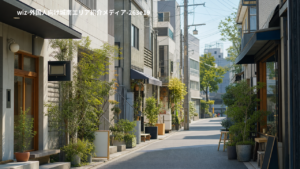
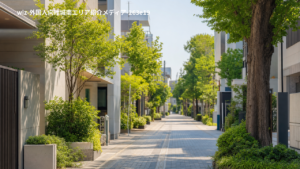
Shimokitazawa has no large arterial roads cutting through it. That sounds like a minor detail, but it shapes everything: there is almost no through traffic, the streets are human-scaled and quiet during the day, and the neighbourhood has developed a genuinely walkable culture that is rare in Tokyo. Independent coffee shops, record stores, vintage clothing boutiques, and small theatre venues sit side by side in a way that resists the chain-store homogeneity of many other central Tokyo areas.
This is not performed quirkiness — the neighbourhood has maintained its identity through deliberate community resistance to large-scale redevelopment over many decades. The result is a place that feels lived-in and authentic. For expats who find Shibuya or Shinjuku overwhelming, Shimokitazawa often lands as a genuine relief.
That said, “authentic” also means “not optimised for convenience.” If you want a 24-hour supermarket, a large-format drug store, or easy car access, you will need to manage your expectations or supplement with trips to adjacent areas.
The noise and evening atmosphere reality
The neighbourhood’s live music venues and bar scene are a genuine plus for many residents — and a genuine drawback for others. The area immediately around the north and south exits of the station can be noticeably noisy on Friday and Saturday evenings, particularly in warmer months when venues open their doors.
Apartments within a two-minute walk of the station entrances will almost certainly experience some level of evening noise. Move three to five minutes away from the exits and the character shifts noticeably: quieter, more residential, and better suited to early risers. When viewing apartments in this area, it is worth visiting at least once on a weekend evening before committing, particularly if you work early shifts.
The expat community in Shimokitazawa
Shimokitazawa is not one of Tokyo’s most internationally concentrated neighbourhoods in the way that Hiroo, Minami-Aoyama, or parts of Shinjuku are. The foreign resident population is present and growing, but the neighbourhood remains predominantly Japanese-speaking in its daily operations — shops, local government offices, and most landlords will default to Japanese.
This is worth being candid about. If you are at an early stage of Japanese language acquisition and are looking for an environment with English-speaking neighbours, English-menu restaurants on every corner, and international-facing property management, Shimokitazawa will require more active navigation than some alternatives. The pay-off, for many expats, is that the neighbourhood is genuinely interesting and avoids the slight bubble-like quality of some more internationally concentrated areas.
Train access and commute to Shibuya

For foreign professionals working in and around Shibuya, the commute from Shimokitazawa is one of the area’s strongest practical arguments — but the specifics matter.
The Odakyu and Keio Inokashira lines
Shimokitazawa is served by two lines: the Odakyu Odawara Line and the Keio Inokashira Line. These are different platforms in the same station complex, rebuilt in recent years as part of a major underground infrastructure project. The Odakyu Line connects directly to Shinjuku and Shibuya (via transfer at Shinjuku), while the Keio Inokashira Line connects directly to Shibuya and continues toward Kichijoji.
The key practical point: for someone commuting to Shibuya, the Keio Inokashira Line is generally the more direct option. Trains run frequently and the journey is typically around 10 minutes to Shibuya on express services. For Shinjuku-bound commuters, the Odakyu Line is the cleaner choice.
Rush-hour realities on both lines
Both lines experience significant crowding during peak hours — roughly 7:30 to 9:00 in the morning and 18:00 to 20:00 in the evening. The Odakyu Line in particular has a reputation for congestion on its inbound services toward Shinjuku. If your work schedule allows any flexibility — starting at 10:00 rather than 9:00, for instance — the commute experience improves considerably.
It is also worth noting that neither line connects to the Tokyo Metro or Toei Subway network without a transfer, which can add friction for commuters heading to areas like Roppongi, Marunouchi, or the eastern side of the city. If your workplace is in one of those areas, factor in an additional transfer and roughly 10 to 15 minutes of extra travel time compared with living in a more centrally connected neighbourhood.
Getting around without a train
Shimokitazawa is an exceptionally walkable neighbourhood by Tokyo standards, and cycling is popular among residents. However, the narrow streets that give the area its charm also make cycling less straightforward than in more grid-planned areas. There are no large bicycle-lane networks, and parking a bicycle requires a dedicated registered spot — a cost that is worth factoring into your monthly budget. Taxis and ride-hailing services are available but, as in most residential parts of Tokyo, are not the primary mode of daily transport for most residents.
Rent and apartment costs: an honest comparison

Shimokitazawa offers something relatively rare for a neighbourhood this close to Shibuya: apartment prices that are meaningfully lower than equivalent properties in Nakameguro, Daikanyama, or Hiroo — while maintaining a strong quality-of-life profile.
What you can expect to pay in 2026
Rent in Shimokitazawa sits in an interesting middle position. It is not a budget neighbourhood — demand from students, young professionals, and creatives keeps prices above the Tokyo average for a neighbourhood of its distance from the centre. But it is consistently cheaper than the more glamour-branded areas to the east.
| Apartment type | Typical monthly rent range | Notes |
|---|---|---|
| Studio / 1K (20–25 sqm) | ¥85,000 – ¥120,000 | Wide variation by building age and proximity to station |
| 1LDK (35–45 sqm) | ¥130,000 – ¥180,000 | Best value often found 5–8 min walk from station |
| 2LDK (55–70 sqm) | ¥190,000 – ¥260,000 | Limited supply; often older buildings |
| Newer design-led 1LDK | ¥180,000 – ¥230,000 | Boutique buildings; high demand, low vacancy |
These figures are indicative ranges based on general market conditions and should be verified against current listings. Prices can shift significantly depending on floor level, building age, renovation status, and whether the landlord accepts foreign nationals without a Japanese guarantor — a factor that meaningfully narrows the available pool for some applicants.
The guarantor and application challenge for foreign residents
This is one of the most important practical realities to understand before starting your search. Japan’s rental market has historically required a Japanese guarantor — a person with a Japanese address and credit history who co-signs the lease and accepts liability if the tenant defaults. For foreign residents without long-established local networks, this requirement has often been a significant barrier.
The guarantor system has evolved. Many landlords now accept a registered guarantor company (hoshō gaisha) in place of an individual, and some landlords in areas with younger, more mobile tenant bases — like Shimokitazawa — are more open to foreign applicants than their counterparts in more conservative residential neighbourhoods. That said, it remains common to encounter rejections that have nothing to do with your income or reliability, and everything to do with a landlord’s unfamiliarity or discomfort with foreign tenants.
Working with a real estate service that has established relationships with landlords willing to accept foreign nationals — and that can navigate the guarantor process in English — is not a luxury in this market. It is a meaningful practical advantage.
Initial costs and what to budget beyond rent
Tokyo’s rental market typically requires a substantial upfront payment at signing. Budget for: first month’s rent, last month’s rent, a security deposit of one to two months’ rent, and an agency fee equivalent to one month’s rent. Some landlords also charge reikin (key money, a non-refundable gratitude payment), though this practice is less common than it once was and varies significantly by building and landlord.
For a ¥150,000 per month apartment, initial costs could realistically total ¥600,000 to ¥750,000 before you move in a single piece of furniture. This is a normal expectation in central Tokyo’s rental market, but it bears stating clearly for those arriving from markets where this scale of upfront cost is unusual.
Day-to-day life: convenience, food, and practical realities

Shimokitazawa is excellent for some aspects of daily life and noticeably limited in others. Understanding which matters more to your lifestyle is key to deciding whether the neighbourhood is a genuine fit.
Food and cafés: where Shimokitazawa genuinely excels
This is arguably the neighbourhood’s strongest practical asset beyond its character. The density of good, independent restaurants and cafés per square kilometre is high — and the quality-to-price ratio is often better than in more expensive adjacent areas. Lunch sets at local restaurants typically run ¥900 to ¥1,400. Coffee shops are numerous, many stay open late, and a meaningful proportion have the kind of all-day working atmosphere that suits remote or hybrid workers.
International cuisine options exist but are less concentrated than in Hiroo or Minami-Aoyama. You will find Indian, Vietnamese, Thai, Italian, and various fusion offerings — but the neighbourhood’s food identity leans toward Japanese and Japanese-influenced independent dining rather than the imported cuisine hubs you find in some expat-heavy areas.
Supermarkets and grocery shopping
This is where Shimokitazawa requires the most honest assessment. There is no large-format supermarket immediately adjacent to the station. The neighbourhood has several smaller supermarkets and grocery shops, but if you cook regularly and value one-stop shopping, you will notice the absence of a major chain store nearby.
The nearest larger supermarket options generally require a short train ride or a walk of 15 minutes or more. Residents typically establish a rhythm of doing larger grocery runs to a neighbouring area — Sangenjaya, Setagaya, or nearby commercial strips — and supplementing with local shops for daily needs. This is manageable but worth factoring into your expectations, particularly if you are used to a large supermarket being part of your walking commute.
- ●No large supermarket within immediate walking distance of the station
- ●Narrow streets make deliveries and moving trucks logistically challenging
- ●Weekend evening noise around station exits — worth visiting before signing
- ●English-language services (doctors, banks, admin) are not as concentrated as in Hiroo or Minami-Azabu
- ●Limited off-street parking — not suitable if you need regular car access
Healthcare, admin, and English-language services
Finding English-speaking doctors, dentists, and administrative support requires more active searching in Shimokitazawa than in neighbourhoods with larger established expat communities. English-speaking clinics are available in the broader Setagaya ward area, but you should not assume walk-in English support at neighbourhood-level facilities.
The local ward office (Setagaya City) has multilingual support available, but day-to-day administrative tasks — registering your address, handling utilities, dealing with neighbourhood association communications — will often be in Japanese. If you are early in your Japan experience, having a bilingual support contact or working with a service that provides settling-in assistance makes a meaningful difference to how smooth the first months feel.
Shimokitazawa vs nearby alternatives: a practical comparison
Most expats considering Shimokitazawa are also weighing it against a handful of other Shibuya-accessible neighbourhoods. This comparison is worth making explicitly.
Shimokitazawa vs Sangenjaya
Sangenjaya is the comparison that comes up most often, and for good reason — it shares many of Shimokitazawa’s appeal factors (independent culture, good food scene, younger demographic, reasonable rents) while offering meaningfully better transport links. Sangenjaya sits on the Den-en-toshi Line, which connects directly to Shibuya and on to Omotesando and Aoyama, making it more versatile for commuters heading to a wider range of destinations.
Sangenjaya’s commercial strip around the Carrot Tower area is also larger and more comprehensive than Shimokitazawa’s, with better supermarket access. The trade-off is that Sangenjaya feels slightly more mainstream — less consciously creative, more broadly residential. For some expats, that is a plus. For others, it matters that Shimokitazawa has a more distinctive identity.
Shimokitazawa vs Nakameguro
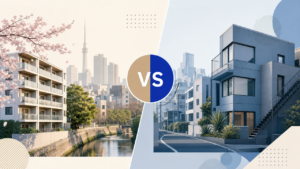
Nakameguro is the premium comparison point. It offers more polished international appeal — the canal walk, a higher density of international-facing restaurants and boutiques, better English-language infrastructure — but at a noticeable rent premium. A 1LDK that might cost ¥140,000 in Shimokitazawa will commonly cost ¥180,000 to ¥220,000 in comparable condition in Nakameguro.
For high-income professionals who prioritise lifestyle polishing and international community, Nakameguro makes sense. For those who want character without paying the Nakameguro premium, Shimokitazawa is a compelling alternative. The two neighbourhoods attract genuinely different personalities rather than simply different income levels.
Shimokitazawa vs Daikanyama
Daikanyama is adjacent to Nakameguro in feel and price — upscale, curated, strong international presence. It is also further from Shimokitazawa in terms of character. Daikanyama is fashionable in a deliberate, expensive way. Shimokitazawa’s appeal is largely unconscious of fashion. This is a real distinction that matters to people who have a strong preference either way.
| Factor | Shimokitazawa | Sangenjaya | Nakameguro |
|---|---|---|---|
| Rent (1LDK, typical) | ¥130K–180K | ¥130K–175K | ¥180K–240K |
| Shibuya commute | ~10 min | ~5–7 min | ~10–15 min |
| Supermarket access | Limited nearby | Good | Good |
| English infrastructure | Growing, limited | Moderate | Good |
| Neighbourhood character | Creative, independent | Lively, versatile | Polished, international |
Common mistakes expats make when moving to Shimokitazawa
Most of the difficulties foreign residents encounter in Shimokitazawa are predictable and avoidable — the patterns repeat often enough to be worth naming clearly.
Underestimating the importance of apartment location within the neighbourhood
Shimokitazawa is small in area, but location within the neighbourhood matters more than it might appear on a map. The difference between an apartment two minutes from the station and one seven minutes away is not just commute time — it is a meaningfully different experience of neighbourhood character. Properties close to the station are livelier, noisier, and feel more central to the action. Properties further out — toward Higashi-Kitazawa or in the quieter residential pockets to the south — feel more like conventional Tokyo residential life.
Neither is objectively better. But they suit different people, and many expats only discover this after signing a lease. Walk the specific route from a candidate apartment to the station at different times of day before committing. The five minutes that feels pleasant at noon can feel different at midnight on a Saturday.
Not accounting for the Japanese-only rental process
Even landlords who accept foreign nationals frequently conduct the entire rental process — applications, contract review, lease signing, handover — in Japanese. This is not unusual or discriminatory; it simply reflects that most Japanese landlords do not have infrastructure for English-language transactions.
Attempting to navigate a Japanese-language lease contract without either strong Japanese reading ability or a qualified bilingual intermediary is a significant risk. Lease contracts in Japan contain clauses around prohibited activities, subletting, modification of the property, guarantor obligations, and renewal terms that have real financial consequences if misunderstood. This is one of the clearest areas where working with a service like Living in Jonan — which provides bilingual support through the entire rental process — pays for itself in clarity and protection.
Arriving without a guarantor solution already identified
The guarantor question should be resolved before you begin viewings, not after you have found an apartment you want to take. Many applicants find their ideal property and then discover they cannot proceed because their guarantor arrangement is not in place. Registered guarantor companies typically require application processing time of several business days, and some have their own eligibility requirements — income levels, employment status, visa category — that are worth confirming in advance.
Your real estate agent should be able to advise on guarantor companies that are routinely accepted by landlords in the Shimokitazawa area. If they cannot provide clear guidance on this question, treat it as a signal to find a more experienced agent.
How Living in Jonan can help with your Shimokitazawa search
Finding the right apartment in Shimokitazawa as a foreign national is genuinely manageable — but it requires navigating a rental market that was not designed with English-speaking applicants in mind. The process involves landlords who may be unfamiliar with foreign tenants, contracts written in legal Japanese, and guarantor requirements that vary by building and management company.
Living in Jonan operates as a bilingual real estate consulting service backed by 25 years of experience in the Tokyo property market. The team works specifically with foreign professionals — understanding the practical constraints of Japanese visa categories, guarantor requirements, and contract terms — and guides applicants through the process in English, from initial search to signed lease. For professionals working near Shibuya who want the character of Shimokitazawa without the administrative friction of navigating the process alone, this kind of support makes the search considerably more straightforward.
The service includes access to listings across central Tokyo’s Jonan area neighbourhoods, with search tools that allow filtering by area and train line — covering Shimokitazawa and the broader Setagaya and Meguro neighbourhoods. Contact details and current availability are accessible through the Living in Jonan contact page.
Summary: is Shimokitazawa the right fit for you?
Shimokitazawa is one of Tokyo’s most genuinely distinctive residential neighbourhoods. Its strengths are real: reasonable rents relative to its Shibuya proximity, a vibrant and independent local culture, walkable streets, and a food and café scene that many residents rank as their favourite in the city. Its limitations are equally real: limited large supermarket access, a noise profile around the station on evenings and weekends, and a rental market that can be challenging for foreign applicants without the right support.
The neighbourhood suits expats who value authenticity and neighbourhood character over polished convenience — and who are prepared to navigate daily life in an environment that operates primarily in Japanese. It is particularly well-suited to professionals with flexible working arrangements, cultural curiosity, and a preference for a neighbourhood that has retained its identity rather than been optimised for international consumption.
- ●Work near Shibuya and value a 10-minute commute over central-ward proximity
- ●Prefer independent local culture to chain-store convenience
- ●Are comfortable in a primarily Japanese-language daily environment
- ●Want to pay less than Nakameguro or Daikanyama prices for a comparable quality of life
It may not be the best fit if…
Frequently asked questions
Is Shimokitazawa a good area for expats who don’t speak much Japanese?
It is liveable, but requires more active navigation than areas like Hiroo or Minami-Aoyama with larger established expat communities. Most shops, restaurants, and administrative services operate primarily in Japanese. The neighbourhood is growing in international awareness, but day-to-day life — particularly anything involving landlords, local government offices, or neighbourhood communications — will often be in Japanese. Working with a bilingual relocation or real estate service is particularly useful here.
How does Shimokitazawa compare to Sangenjaya for Shibuya commuters?
Sangenjaya has slightly faster and more versatile train connections to Shibuya via the Den-en-toshi Line, and better immediate supermarket access. Shimokitazawa has a stronger independent cultural identity and is generally considered more distinctive as a place to live. Rent levels are broadly comparable. The choice between them typically comes down to whether neighbourhood character or transport versatility is the higher priority.
Are there apartments in Shimokitazawa that accept foreign nationals?
Yes, though the supply is not unlimited. Shimokitazawa’s landlord base skews younger and more open than some conservative residential neighbourhoods, which works in favour of foreign applicants. The guarantor requirement remains the most common obstacle. Working with a real estate agent who has established relationships with landlords experienced in foreign tenants — and who can advise on guarantor company options — significantly improves your chances of a successful application.
What is the noise level like in Shimokitazawa for someone with early work hours?
It depends strongly on exactly where in the neighbourhood the apartment is located. Properties within two to three minutes of the station exits — particularly the north exit, close to the main bar and live music concentration — will experience noticeable evening noise on weekends. Properties five or more minutes from the station in the quieter residential pockets are considerably calmer. Visiting at different times of day and on a weekend evening before committing to a lease is strongly recommended.
What upfront costs should I budget for when renting in Shimokitazawa?
Plan for approximately four to six months of rent as the total upfront cost, covering first month, last month, security deposit, and agency fee. Some properties also charge key money (reikin), which is non-refundable. For a ¥150,000 per month apartment, realistic initial costs could range from ¥600,000 to ¥900,000 before furnishing. Confirming the full breakdown of initial costs in writing before signing is essential.
Learn more about how we can help.
Bilingual consultants guide you so foreign residents can find a home with confid