Finding the right neighborhood in Tokyo is one of the most important decisions you’ll make as a foreign professional relocating to Japan — and for many expats working around Shibuya, Jiyugaoka keeps coming up as a standout option. The challenge isn’t a lack of information; it’s finding reliable, English-language guidance that explains not just what Jiyugaoka looks like, but whether it genuinely fits your lifestyle, commute, and budget.
Who this article is for
- ●Foreign professionals in their 20s–40s working near Shibuya or the Jonan area who are shortlisting Tokyo neighborhoods
- ●English-speaking renters who want to understand Jiyugaoka beyond the café-and-boutique surface coverage
- ●Couples or single professionals looking for a quieter, residential alternative to central Shibuya without sacrificing convenience
Getting Around
Rental Market
Daily Life
Challenges for Expats
Living in Jonan Support
Summary
FAQ
What Is Jiyugaoka? A Quick Answer for English Speakers Researching Tokyo Neighborhoods

In short: Jiyugaoka is a residential neighborhood in southwest Tokyo — straddling the Meguro and Ota ward boundary — known for its European-influenced architecture, café culture, and strong commuter links to Shibuya (around 14 minutes by express). For English-speaking expats, it offers a livable, calm environment without sacrificing central access. Rents run higher than the Tokyo average, and bilingual rental support is strongly recommended to navigate Japan’s document-heavy leasing process.
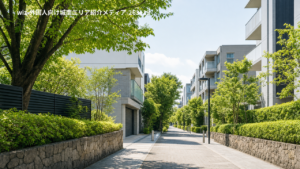
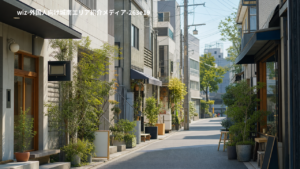
Jiyugaoka is frequently described as Tokyo’s most European-feeling neighborhood. It has developed a distinct identity around French-influenced streetscapes, a dense concentration of independent cafés and patisseries, tree-lined shopping streets, and a residential calm that feels deliberate rather than accidental. As of 2026, the area continues to attract a steady inflow of international residents drawn by its combination of lifestyle quality and transit convenience — making English-language guidance on this neighborhood more in demand than ever.
Who Actually Lives Here?
Jiyugaoka’s resident population skews toward professionals in their 30s and 40s, couples, and — increasingly — families with young children. You’ll find a mix of long-term Japanese residents and a growing number of foreign nationals, particularly those working in tech, finance, and creative industries around Shibuya, Daikanyama, and Nakameguro. In 2026, the neighborhood has also attracted more remote-working expats who prioritize café infrastructure and walkability alongside commute access.
Jiyugaoka vs. Nearby Neighborhoods: At a Glance
| Neighborhood | Vibe | Rent Level | English Friendliness |
|---|---|---|---|
| Jiyugaoka | Calm, residential, café-rich | High | Moderate (bilingual support needed) |
| Nakameguro | Trendy, canal-side, active evenings | Very High | Moderate |
| Meguro | Practical, local feel | High | Low–Moderate |
| Sangenjaya | Lively, younger crowd, izakaya-heavy | Mid–High | Low |
Getting Around: Transport Connections from Jiyugaoka

Transport is one of Jiyugaoka’s strongest selling points for English-speaking expats. The Tokyu Toyoko Line connects Jiyugaoka directly to Nakameguro, Daikanyama, and Shibuya — reaching Shibuya in approximately 14 minutes by express. The Tokyu Ōimachi Line adds connectivity south toward Ōimachi, where you can transfer to the JR Keihin-Tōhoku Line for access to Shinagawa and beyond.
Key Commute Times from Jiyugaoka (2026)
| Destination | Approx. Time | Line / Transfer |
|---|---|---|
| Shibuya | ~14 min (express) | Tokyu Toyoko Line |
| Nakameguro | ~8 min | Tokyu Toyoko Line |
| Shinagawa | ~25–30 min | Ōimachi Line → JR transfer |
| Shinjuku | ~25–30 min | Toyoko → transfer at Shibuya |
For English-speaking expats, navigation is straightforward: Jiyugaoka Station has bilingual signage and IC card compatibility (Suica/Pasmo), and both Tokyu lines are fully English-signposted. The station area is compact and easy to orient around even if your Japanese is limited.
The Jiyugaoka Rental Market: What to Expect in 2026

As of 2026, Jiyugaoka continues to command a premium within the southwest Tokyo rental market. Rising demand from both domestic professionals and international residents — combined with limited new supply near the station — has kept rents firm. Foreign renters should be aware that the most desirable units in this area are not always listed on English-language platforms; working with a bilingual agent gives access to a significantly wider inventory.
| Apartment Type | Typical Monthly Rent (2026) | Best For |
|---|---|---|
| 1K / 1DK (Studio–1BR) | ¥95,000 – ¥145,000 | Single professionals |
| 1LDK / 2DK | ¥145,000 – ¥210,000 | Couples, single with home office |
| 2LDK / 3DK | ¥210,000 – ¥320,000 | Couples with larger space needs, families |
What Foreign Renters Need to Know Before Applying
Japan’s rental process involves considerably more paperwork than most Western countries. Landlords in desirable areas like Jiyugaoka frequently require a corporate guarantor or a licensed guarantee company, employment verification in Japanese format, and a registered address (jūminhyō) for existing residents. Many listings are exclusively on Japanese-language portals like SUUMO or Homes.co.jp — not on English-language aggregators — meaning self-searching without Japanese language skills captures only a fraction of the actual market.
Daily Life in Jiyugaoka: Food, Shopping, and Practical Convenience

Jiyugaoka is exceptionally well-served for grocery shopping by Tokyo standards. Tokyu Store near the station offers a wide range of products including imported goods that expats appreciate — Western cheeses, wine, imported snacks, and international condiments are consistently stocked. The bakery culture is genuinely exceptional: independently owned French and Japanese-style boulangeries cluster within a five-minute walk of the station, a density rare even by Tokyo standards.
Day-to-Day Practicalities for English Speakers
| Grocery shopping | Tokyu Store, multiple supermarkets, and a weekend farmers’ market near the station. Import goods available without needing to travel to central Tokyo. |
| Medical care | Several clinics in the area; English-speaking staff are not guaranteed at local clinics, so pre-registering with an English-friendly GP (available in Shibuya or via telehealth) is advisable. |
| Banking and admin | Japan Post and major banks have branches near the station. ATMs accepting foreign cards are available at convenience stores (7-Eleven, Lawson). |
| Dining out | The concentration of cafés and patisseries is among the highest in the Jonan area. Restaurant hours tend to be earlier than in Shibuya or Roppongi — many kitchens close by 9:30 PM, which suits those with early schedules but surprises expats used to late dining. |
| Green space | Midorigaoka Park provides a walkable local retreat; Todoroki Valley (a short train ride away on the Ōimachi Line) offers a genuine forest gorge within the city — a rare amenity for southwest Tokyo residents. |
Practical Challenges for Expats in Jiyugaoka
- Applying without a Japanese-language guarantor letter or corporate guarantee — this disqualifies many applications before review
- Underestimating move-in costs: key money, agency fees, and deposit can total 4–6 months’ rent upfront
- Failing to read the lease exclusions — some buildings prohibit musical instruments, pets, or subletting
- Choosing an apartment based on photos without visiting in person — building age and insulation quality vary dramatically
- Relying solely on English-language listing platforms — these capture only a subset of available properties in Jiyugaoka
- Not accounting for Japan’s typically short application windows: desirable units in this area can be gone within days of listing
English Language Availability in the Neighborhood
Jiyugaoka is manageable day-to-day without Japanese, but it is not an English-first neighborhood. Signage in the main shopping streets is often bilingual, and younger café and shop staff may have conversational English. However, for high-stakes interactions — lease negotiations, municipal registration, medical consultations, or utility setup — Japanese language or bilingual support is effectively required. Most long-term expat residents in Jiyugaoka use a combination of translation apps for daily tasks and professional bilingual support for administrative processes.
How Living in Jonan Helps You Navigate the Jiyugaoka Market
Living in Jonan provides bilingual consulting through every stage of the rental process: from initial neighborhood shortlisting and property search, through application preparation and landlord communication, to lease review and move-in coordination. Backed by 25 years of experience as a real estate consulting firm in central Tokyo, the Balleggs global platform is designed specifically for foreign professionals relocating to Japan.
In practice, this means access to listings that never appear on English-language platforms, application documents prepared in the format Japanese landlords expect, and a single point of contact who can handle the full process in English — including the post-signing steps that catch many expats off guard, such as utility registration and municipal address notification.
For expats comparing neighborhoods in the Jonan area, see our Jonan area neighborhood guide for side-by-side coverage of Meguro, Nakameguro, Sangenjaya, and other southwest Tokyo options.
- Foreign professionals relocating to Tokyo who need English-language guidance through Japan’s rental process
- Shibuya-area tech, finance, and startup workers looking to live in the Jonan area with minimal friction
- Couples and singles who want access to the full Jiyugaoka rental market — not just the foreign-visible subset
- Remote workers in 2026 prioritizing café infrastructure and quality of life alongside Shibuya commute access
Summary: Is Jiyugaoka Right for You?
Jiyugaoka is one of Tokyo’s most genuinely livable neighborhoods for foreign professionals who value a calm residential environment, strong café culture, and reliable access to Shibuya. The trade-offs — premium rents, a rental market that requires preparation and bilingual support, and a dining scene that closes earlier than central Tokyo — are typically worth accepting for professionals who prioritize a comfortable, high-quality residential base over nightlife proximity.
In 2026, Jiyugaoka stands out within the Jonan area as the option best suited to expats who want a neighborhood that feels complete in itself: strong grocery options, exceptional food and café culture, good parks, and a resident community that includes established foreign nationals alongside long-term Japanese families.
- English-speaking professionals working near Shibuya who want a quieter, higher-quality residential base
- Couples or singles who prioritize café culture, food quality, and walkable green space
- Foreign nationals who want bilingual support to access the full range of available rental properties — including off-market listings
What to prepare before your search
Frequently Asked Questions
Is Jiyugaoka a good area for English speakers with no Japanese?
Jiyugaoka is manageable for daily life without Japanese — main shopping streets have bilingual signage, and many café staff can handle basic English. However, it is not an English-first neighborhood. For high-stakes tasks like renting an apartment, registering at the ward office, or visiting a clinic, Japanese language ability or bilingual professional support is effectively necessary. Most exp